
Cold weather? Extreme weather? Here's how pet owners can prepare and safeguard their beloved animal friends
Seriously cold weather is only weeks away. Here is what pet owners need to know about fall and winter weather and pet safety.

Health Nation had an online interview with Susan Anderson, senior director of ASPCA Disaster Response.
Q: Any advice or information to share when it comes to cold weather as the temperatures start to drop?
A: As we enter some of the coldest months of the year, pet owners should keep several things in mind to ensure the health and safety of their furry friends. The ASPCA® (The American Society for the Prevention of Cruelty to Animals®) urges pet owners to prepare in advance ahead of severe winter weather. You can also learn more about keeping your pets safe this winter by visiting aspca.org/coldweather.
- If it is too cold for you, it is probably too cold for your pet. Keep walks to a minimum, make sure your dog always wears an ID tag, and never let your dog off-leash on snow or ice, especially during a snowstorm. Dogs can lose their scent in the snow and easily become lost or disoriented. Keep your pets inside and if you notice symptoms of frostbite, such as discoloration, swelling, or skin ulcers, contact your veterinarian immediately.
- Keep your home humidified and be sure to towel dry your pet as soon as they come inside. Repeatedly going into the cold and then coming back into a warm home can cause itchy, flaky skin. Pay close attention to your pet’s feet and in between their toes for cracks or redness, and be sure to remove any snowballs from between their foot pads to prevent skin irritation.
- After each walk, make sure to clean and properly dry your pet’s feet and stomach. You may want to bring a towel on long walks to clean off irritated paws.
- While on a walk, your pet may step in salt or de-icing chemicals—which can be painful. If you notice any paw pad irritation, you can massage petroleum jelly or other vet-approved paw protectants into paw pads. Booties can also be effective to protect paws from irritating salts and chemicals when out on walks. Use pet-friendly ice melts whenever possible.
- Never shave your pet down to their skin and try not to bathe them as often during cold spells. If your pet is long-haired, trim them to minimize clinging ice balls, salt crystals or de-icing chemicals. Bathing too often can remove necessary essential oils and increase the chance of developing dry skin. If you must bathe your pet, use a moisturizing shampoo or rinse recommended by your veterinarian.
- Thoroughly clean up any antifreeze spills. Antifreeze is lethal for both dogs and cats. Consider using products that contain propylene glycol rather than ethylene glycol.
- Additionally, cold weather chemicals like ice melts can be dangerous when ingested, so always be mindful and keep chemicals out of paws’ reach.
Q: Any advice or information to share when it comes to NYC animals and climate change/general climate resiliency?
A: With temperatures becoming increasingly extreme, it’s important for pet owners in NYC, especially dog owners, to be aware of the weather-related dangers that low temperatures can pose for their dogs while on walks or during playtime at dog parks.
The biggest dangers for dogs outside during winter are ice, snow, and overall severe weather. The main concern with cold weather is that a dog will not be able to maintain its body temperature and will develop hypothermia.
Hypothermia can range from mild to severe, resulting in impaired consciousness and even death. Signs of hypothermia include shivering, inactivity, paleness of the skin, lethargy, muscle stiffness, shallow breathing, and fixed and dilated pupils. If your dog is displaying any of these signs, you should wrap them in a pre-warmed blanket or add a hot water bottle to the outer layer of a blanket.
Q: Any information when it comes to a climate safety plan for pets? What about a safety plan as it relates to extreme weather? (If the home has been damaged and the family/pets cannot live there anymore etc.)
A: According to an ASPCA survey, 83% of pet owners live in communities that face natural disasters, yet more than half do not have an emergency preparedness plan in place. The ASPCA assists with disasters nationwide, and we have seen firsthand how a lack of emergency preparedness can lead to devastating consequences for animals and for the people who risk their lives to protect them. We encourage pet owners to create an evacuation plan in advance and evacuate quickly with your pets when directed to do so by local officials when inclement weather threatens to strike.
Some safety and preparation practices are as follows:
- If you do evacuate, do not leave your pets behind or tether them to poles or trees, which prevents them from getting to safety.
- Create a portable pet emergency kit in case you must shelter in place or evacuate. This kit should include essential items such as a pet carrier, medical records, water, food and water bowls, pet food, cat litter/pan, and any necessary pet medications to last at least ten days.
- As part of your emergency planning process, identify pet-friendly lodging options. Many hotels and shelters do not accept animal guests, other than service animals.
- Prepare your pet’s crate in advance, and even consider crating them early. Not only will this ensure you’re ready to go when you do decide to evacuate, this practice will also enhance your pet’s safety and help reduce stress.
- Make sure that your pet’s vaccinations are current, and all dogs and cats are wearing collars with securely fastened up-to-date identification. Many pet shelters require proof of current vaccinations to reduce the spread of disease.
- Consider having your pet microchipped by your veterinarian and ensure the owner contact information in your pet’s microchip account is correct.
Q: Can the ASPCA help in terms of a temporary home for a family pet where their house has been flooded and/or impacted by extreme weather?
A: In NYC, the ASPCA is a member of the Animal Planning Task Force, which was created by NYC Emergency Management and is comprised of various organizations to help provide assistance to families who are experiencing disasters – both weather-related and otherwise. We encourage pet owners to identify pet-friendly housing options — whether an emergency shelter, hotel, or boarding facility — where they can safely stay with their pets until local officials determine it is safe to return home.
Q: When it comes to pets with no homes who are experiencing extreme weather on the streets and/or there is extreme weather (heavy rain, heavy snow etc.) what are ways that the ASPCA can help?
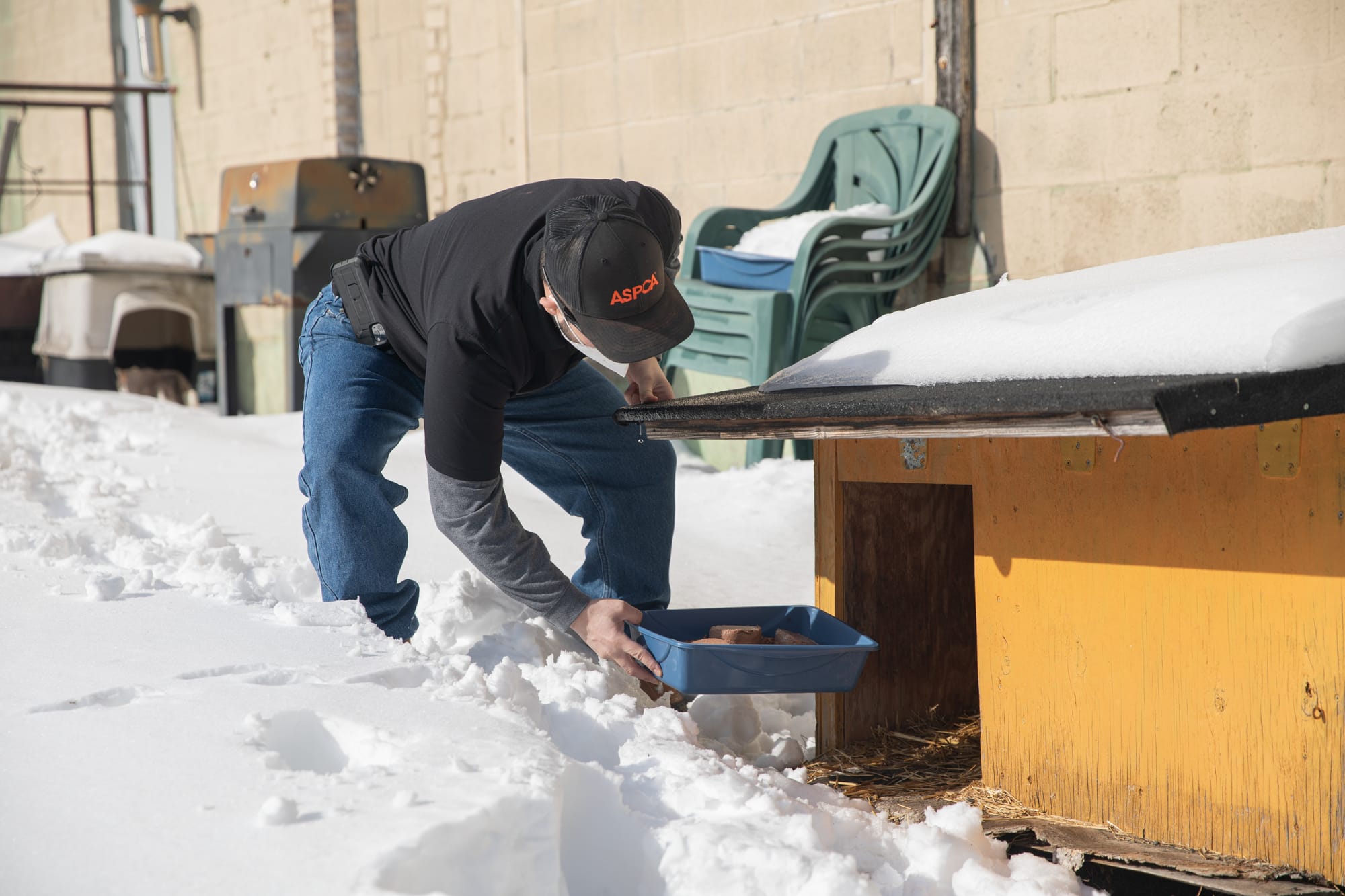
A: When the ASPCA is asked to assist local government agencies or animal welfare organizations with pre- and post-event disaster response and emergency management, our specially trained disaster responders meet with the requesting agencies to assess unmet needs in the community. This assistance also includes overseeing the well-being of unowned shelter animals, including feeding-in-place, trapping, and emergency sheltering, along with ongoing routine and veterinary care.
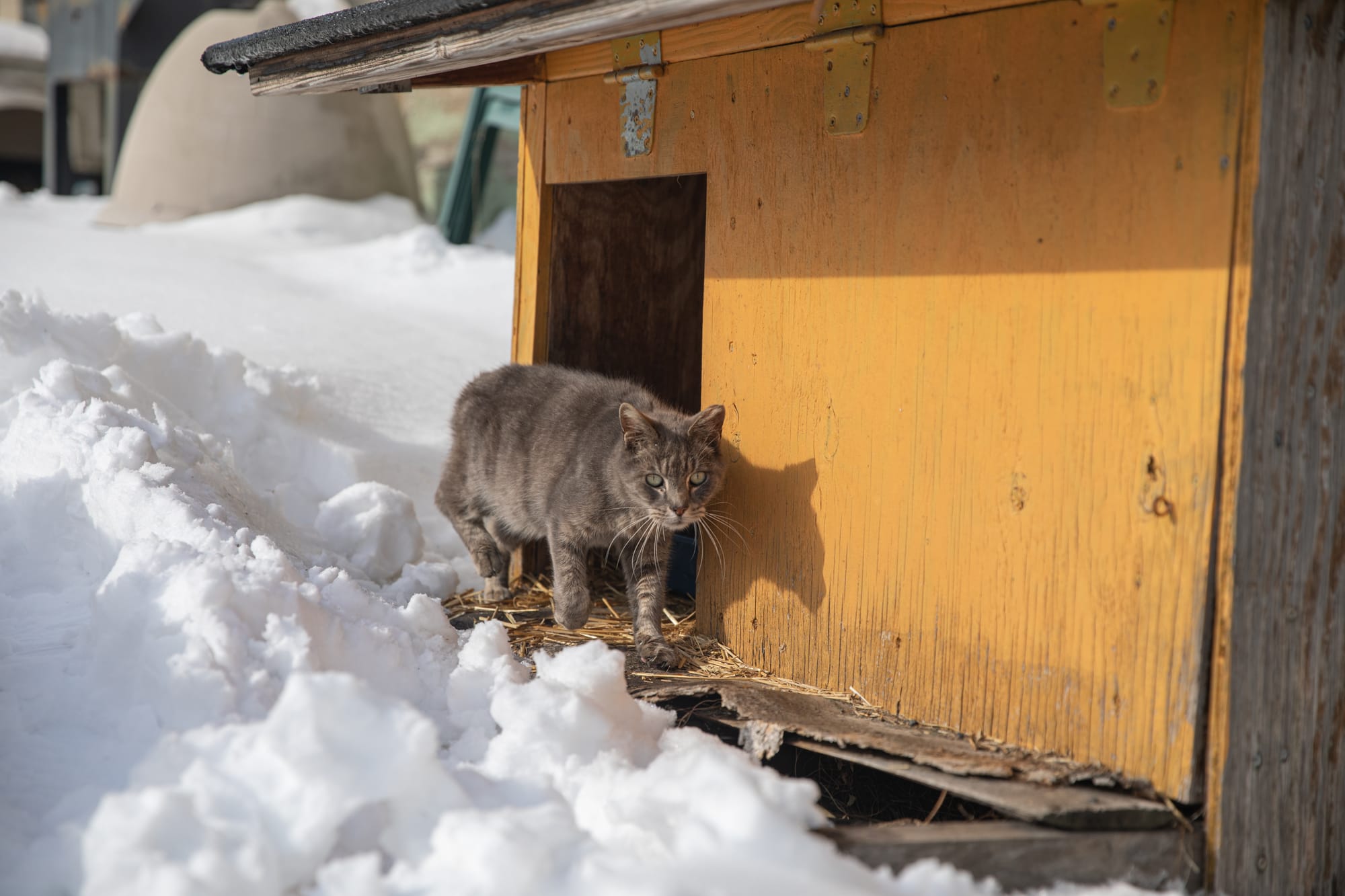
The ASPCA also works with its nationwide network of partner shelters to evacuate unowned shelter animals from disaster zones to shelters in areas unaffected by extreme weather, or to one of the ASPCA’s recovery facilities. This helps move these animals out of harm’s way and makes them available for adoption in communities where there is demand for adoptable animals. It also frees up local resources to assist other animals and pet owners in need in the community.
Q: How can an individual who sees a street pet in need of help? Numbers to call or online resources?
A: In New York City, people can call 311 to report an animal in distress. We encourage NYC residents to call 911 to report crimes in progress against animals.
Q: How can an individual who sees a wild animal in need help in these circumstances? Numbers to call or online resources?
A: In NYC, residents can call 311 (or 911 for an emergency or crime in progress) to report non-domesticated or wild animals in distress during bad weather. For sick, injured, or trapped wild animals affected by severe weather, please contact local animal control or a specialized wildlife rehabilitator.
Medical Disclaimer
All content available on and through Health Nation Media is for informational purposes only. Such content is not an endorsement of, or a substitute for, nor does it replace, professional medical or veterinary advice, diagnosis, or treatment. If you have any concerns or questions about your or others' health or the content available on or through Health Nation Media, consult with a healthcare professional. Do not disregard, avoid, or delay obtaining health-related advice from a healthcare professional because of content available on or through Health Nation Media. Use of Health Nation Media and reliance on any Health Nation Media information is solely at your own risk. For more details, see Health Nation Media's Terms of Use.