
How the ASPCA's Community Engagement program helps pet owners and animals in need
Health Nation recently had an online interview with Erin Earley, senior director, the American Society for the Prevention of Cruelty to Animals® (ASPCA®), Community Engagement.

Health Nation recently had an online interview with Erin Earley, senior director, the American Society for the Prevention of Cruelty to Animals® (ASPCA®), Community Engagement.
Q: What is the ASPCA?
A: The ASPCA® (The American Society for the Prevention of Cruelty to Animals®) believes every animal deserves to live free from suffering. For 160 years, it's been on the frontlines to save, transform and protect millions of lives in the fight against animal cruelty. As the nation’s first and leading animal welfare organization, it assists animals in need through on-the-ground disaster and cruelty interventions, behavioral rehabilitation, animal relocation and placement, legal and legislative advocacy, and the advancement of the sheltering and veterinary communities through research, training and resources. The ASPCA is a national organization with a range of programs, one of which is the ASPCA’s Community Engagement program.
Q: Can you tell me more about ASPCA’s Community Engagement program and the services your team provides?
A: Many pet owners in New York City encounter significant challenges when caring for their animals. Financial hardship, health issues, unexpected crises, limited access to veterinary services, and transportation barriers often prevent them from obtaining the support they need.
The ASPCA’s Community Engagement team works with at-risk animals and their owners to improve access to essential services and identify solutions that help keep pets safe, healthy and in their homes whenever possible.
This includes low-cost veterinary and grooming care, partially or fully subsidized spay/neuter services, pet food and supplies, proper pet housing, and, when necessary, surrender assistance.
The ASPCA also works closely with the NYPD and human service providers, including domestic violence and elderly care programs, to refer pet owners to additional services and support for the entire family.
We also provide education and training on community cat care to help caretakers and rescuers position themselves to best care for their colonies and populations.
The ASPCA’s Community Engagement team supports animals and pet owners in all five boroughs and handles on average approximately 400 cases per year. So far in 2026, we have assisted nearly 2,000 pets throughout NYC.
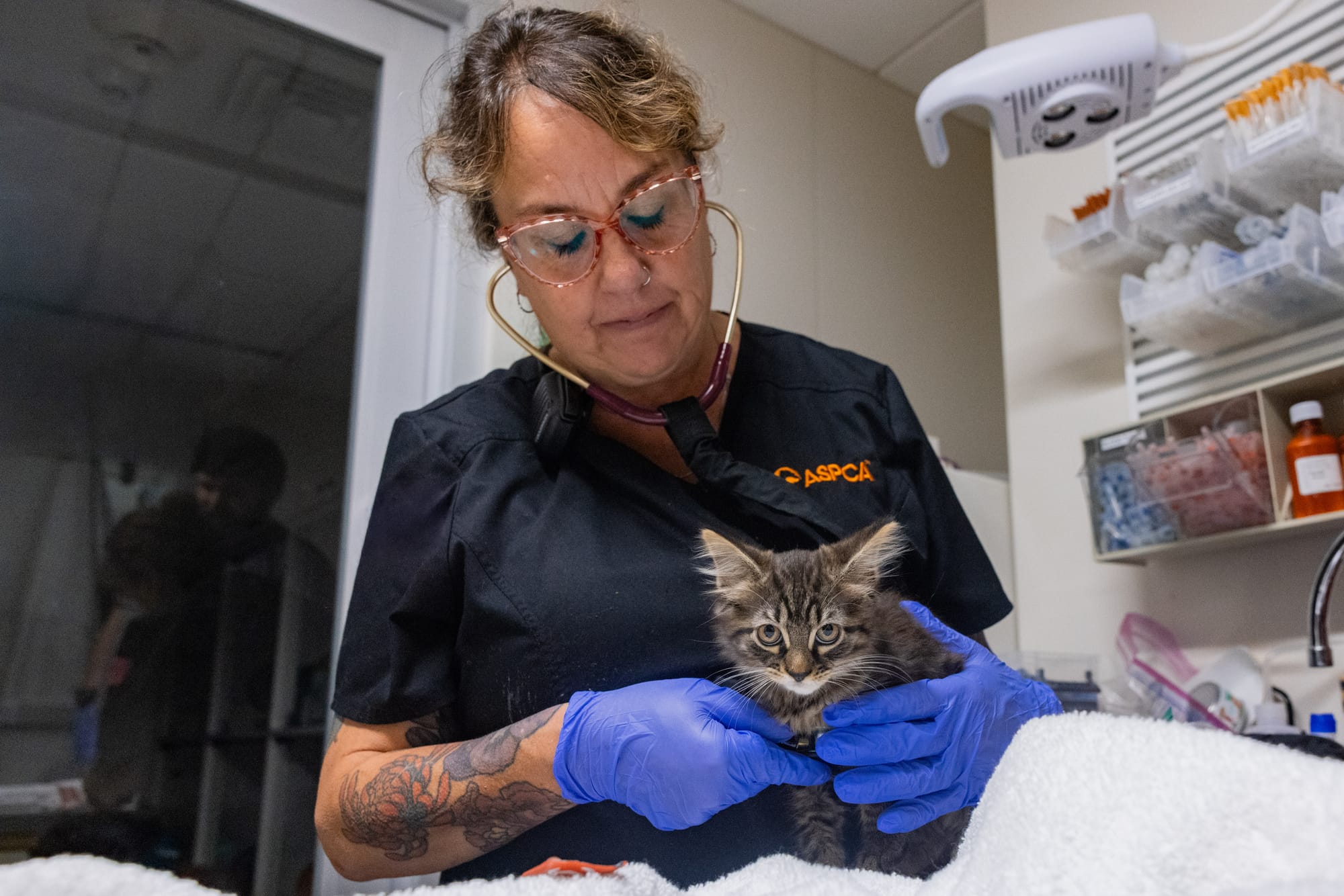
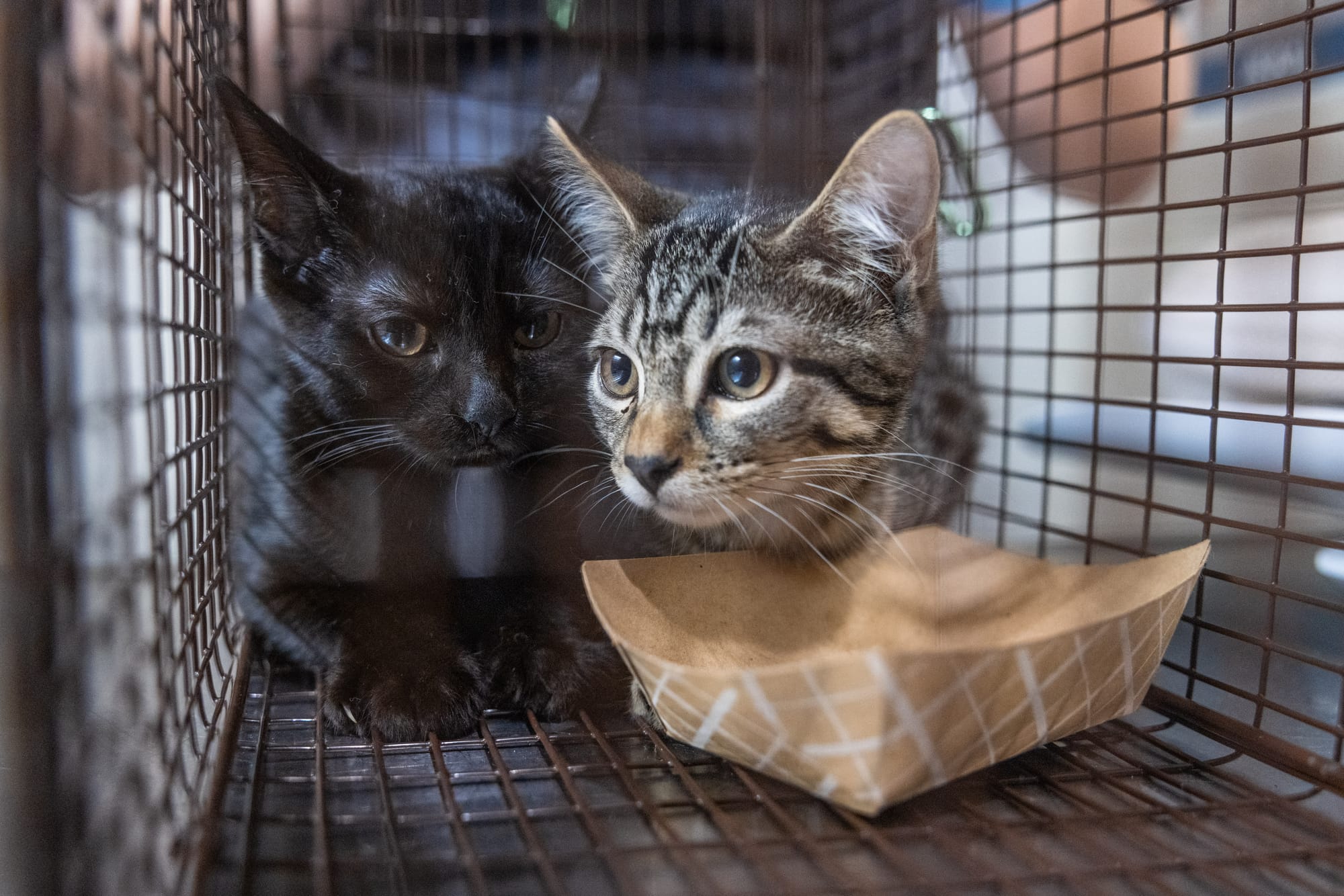
In August [2026], the ASPCA announced the removal of over 100 cats from unsanitary and overcrowded conditions across three New York City homes.
The ASPCA Community Engagement team conducts a case management style of service, in which we first receive referrals from a variety of sources, contact each respective pet owner seeking services, and if they qualify for our program, make a home visit to assess the needs of their pets and the owners themselves.
Additionally, the ASPCA conducts welfare improvement visits upon referrals from the public, social service and community agencies, veterinarians, and law enforcement when concerns for an animal’s welfare are reported.
From there, our staff collaborates with the pet owner to make a plan for service delivery, which will aim to see all their needs through. Once all needs are met, the case is closed, and the pet owner is provided with information on other ASPCA programs and services that may be useful for them in the future. In addition, our team makes referrals for pet guardians themselves if they have needs of their own, beyond those of their pets. This can include referring them to programs that assist with services such as food assistance, pet-friendly housing, job placement, and more.
Q: What are some additional ways that community members can get help, support or resources from the Community Engagement program?
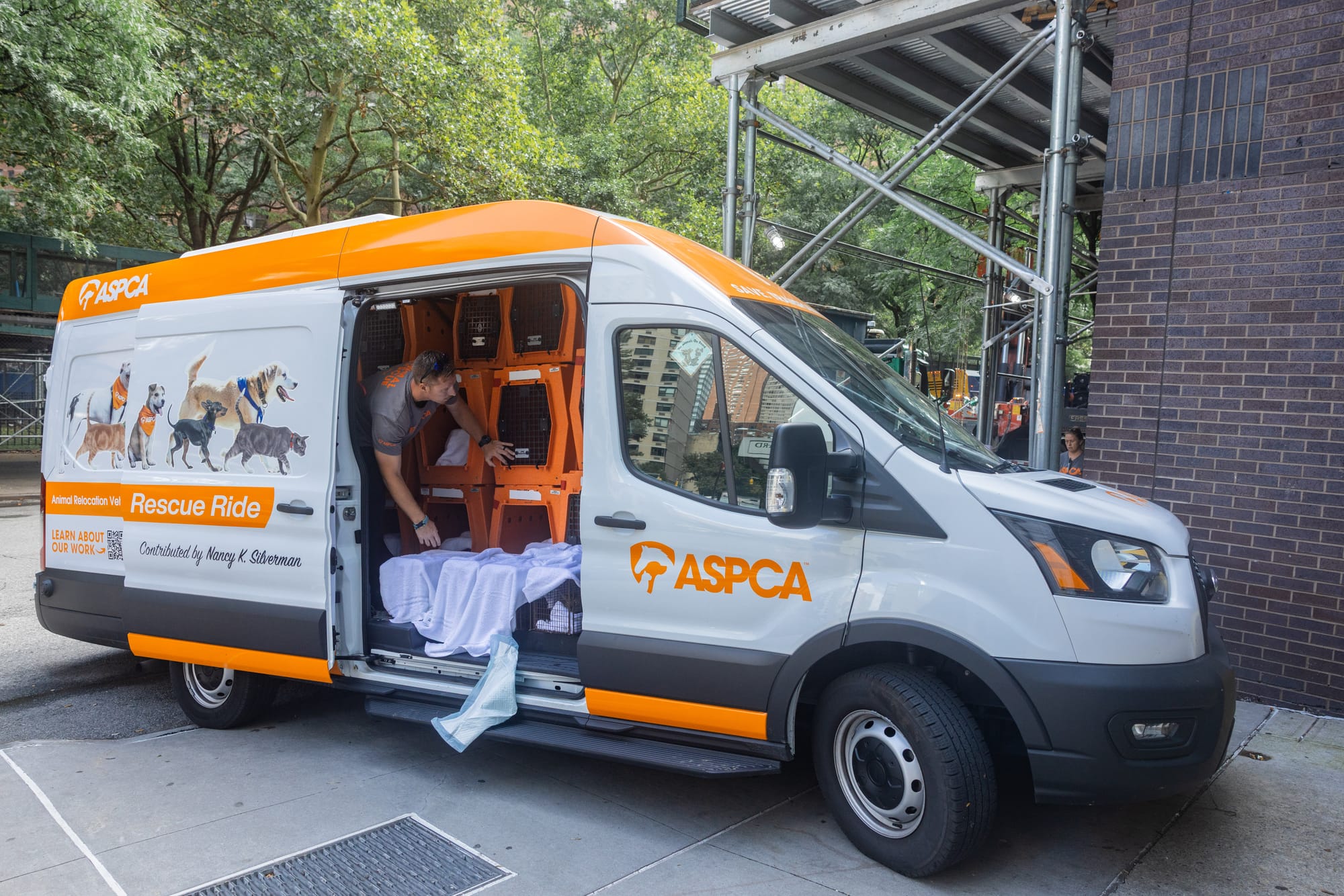
A: Members of the ASPCA’s Community Engagement [team] also attend outreach events held by community organizations and city agencies. These events give us an opportunity to have a presence in communities throughout NYC and reach pet guardians who can benefit from ASPCA resources. Pet owners looking for support can fill out this form to request assistance.
Q: Do you have any success stories that you want to share from the Community Engagement team?
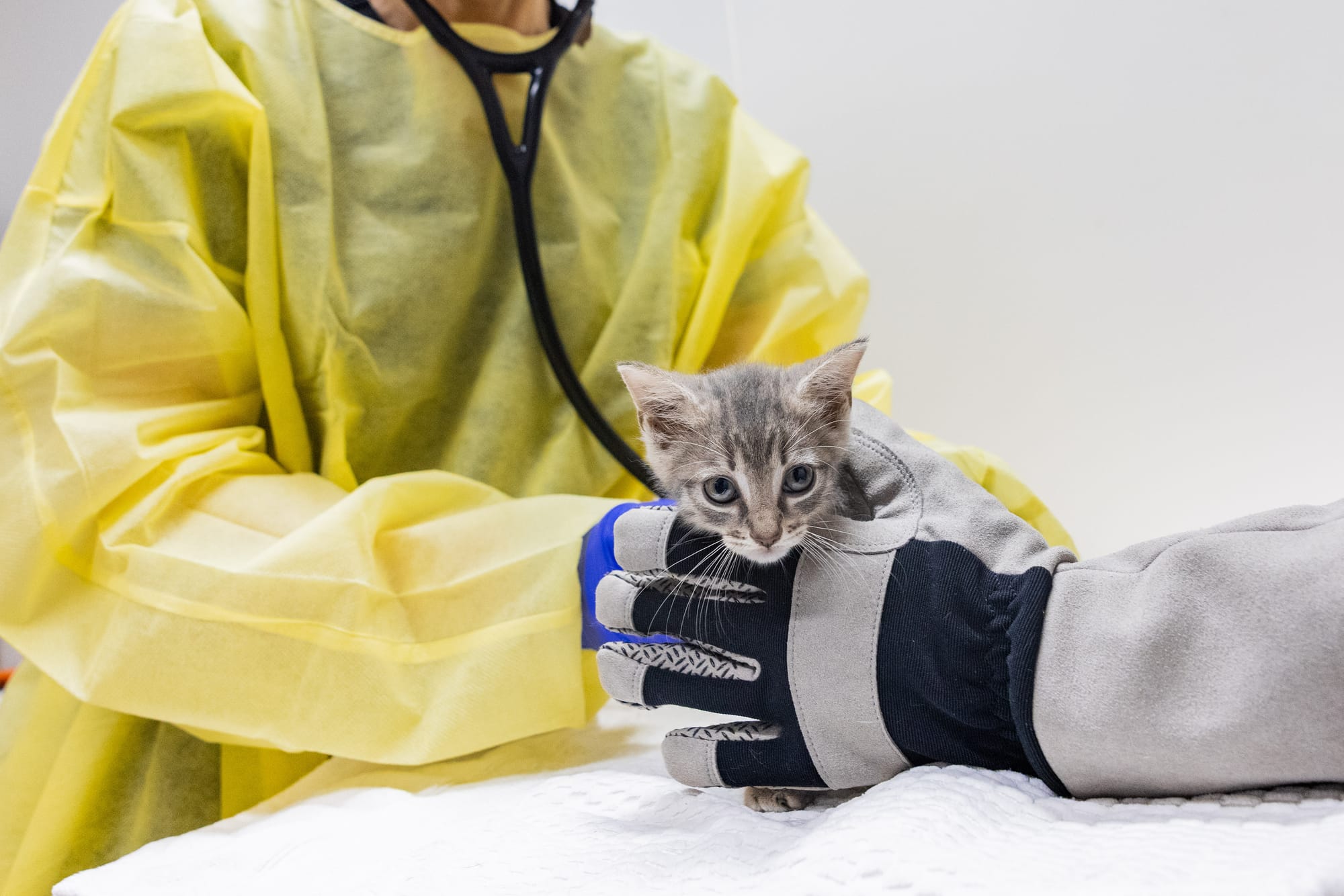
A: So far this year, the ASPCA has taken in an average of more than 100 animals per month, through its partnership with the NYPD and its Community Engagement program, which provides critical services for pet owners in need. In August [2026], the ASPCA announced the removal of over 100 cats from unsanitary and overcrowded conditions across three New York City homes.
Q: What can a community member do if they see a pet being abused, neglected and/or if they see a pet in need of help?
A: For situations that may require criminal intervention, the ASPCA has a robust partnership with the NYPD, in which the NYPD is the primary agency responsible for enforcing animal cruelty laws, while the ASPCA directly cares for alleged animal cruelty victims by providing critical support, including forensic evaluations, medical care, behavior treatment, placement, as well as legal and investigative support in criminal cases. People can report suspected animal cruelty in New York City by contacting 311, or 911 for crimes in progress.
People can report suspected animal cruelty in New York City by contacting 311, or 911 for crimes in progress.
[When it comes to hoarding situations, contact 311 for suspected animal cruelty, 911 for crimes in progress and/or the ASPCA for general information].
Q: What other services does the ASPCA offer outside of its Community Engagement team?
A: The ASPCA Community Medicine/ASPCA Animal Hospital. In addition to our Community Engagement work and our partnership with the NYPD, the ASPCA provides accessible and affordable veterinary services for pets in under-resourced communities whose owners face a variety of barriers to accessing medical services for their pets, including cost, lack of transportation, and lack of information about how and where to go for care.
To address this issue, the ASPCA operates Community Veterinary Clinics in Queens, the Bronx and Brooklyn, which offer partially and fully subsidized basic and preventive care to dogs and cats, including vaccinations, treatment for minor illnesses and injuries, and spay/neuter surgeries.
Q: How can pet owners get veterinary care for their pets? Does the ASPCA have income requirements when it comes to getting free or low-cost veterinary care?
A: New Yorkers can check if they’re eligible to receive services from their local ASPCA Community Veterinary Clinic and learn how to book appointments for their pets at ASPCA.org/veterinary-services. Services are provided by appointment only for eligible pet owners.
The ASPCA Animal Hospital, on the Upper East Side of Manhattan, offers advanced care services for pets of low-income households, as well as life-saving veterinary care for animals that have been victims of cruelty and neglect who are brought in by our NYPD partners. NYC residents with an annual household income under $50,000 and a qualifying medical condition are eligible to receive services from the ASPCA Animal Hospital.
Q: What are some veterinary care options for New York residents, including low-income community residents? Does the price differ for cats or dogs?
A: The ASPCA provides spay/neuter free of charge for low-income pet owners who meet our eligibility criteria for free services on our Mobile Spay/Neuter Clinics and at our Community Veterinary Clinics located in the Bronx, Brooklyn and Queens. These no-cost, high-quality spay/neuter surgery to pet owners in all five boroughs who meet ASPCA’s income and other eligibility criteria.
For pet owners who do not qualify for free services but are in need of a low-cost option, the ASPCA’s Mobile Spay/Neuter Clinics provide spay/neuter services for $125 (cat or dog). A portion of the cost of some services is reimbursed by the New York City Department of Health and Mental Hygiene through the Animal Population Control Program. All spay/neuter surgeries provided by the ASPCA include core vaccines (rabies, plus DA2PP for dogs or FVRCP for cats) and nail trims.. All spay/neuter surgeries provided by the ASPCA include core vaccines (rabies, plus DA2PP for dogs or FVRCP for cats) and nail trims.
Q: Do you provide community engagement program services for more cats than dogs or more dogs than cats?
A: The ASPCA Community Engagement team typically assists more cats than dogs.
Q: Through the Community Engagement Program, have you provided services for animals other than cats or dogs?
A: Yes, through our Community Engagement work, the ASPCA has helped provide services like food and supplies for rabbits, birds (pigeons, cockatiels), turtles and other various reptiles.
Medical Disclaimer
All content available on and through Health Nation Media is for informational purposes only. Such content is not an endorsement of, or a substitute for, nor does it replace, professional medical or veterinary advice, diagnosis, or treatment. If you have any concerns or questions about your or others' health or the content available on or through Health Nation Media, consult with a healthcare professional. Do not disregard, avoid, or delay obtaining health-related advice from a healthcare professional because of content available on or through Health Nation Media. Use of Health Nation Media and reliance on any Health Nation Media information is solely at your own risk. For more details, see Health Nation Media's Terms of Use.