
Nearly 14 years later, Long Island resident reflects on what she learned from Superstorm Sandy
Yveline Dalmacy was heartbroken when she got the news that a Brooklyn neighbor had died during Superstorm Sandy in October 2012. Today, the Long Island resident hears countless stories about both heartbreak and hope, as extreme weather survivors nationwide struggle to find the new normal.
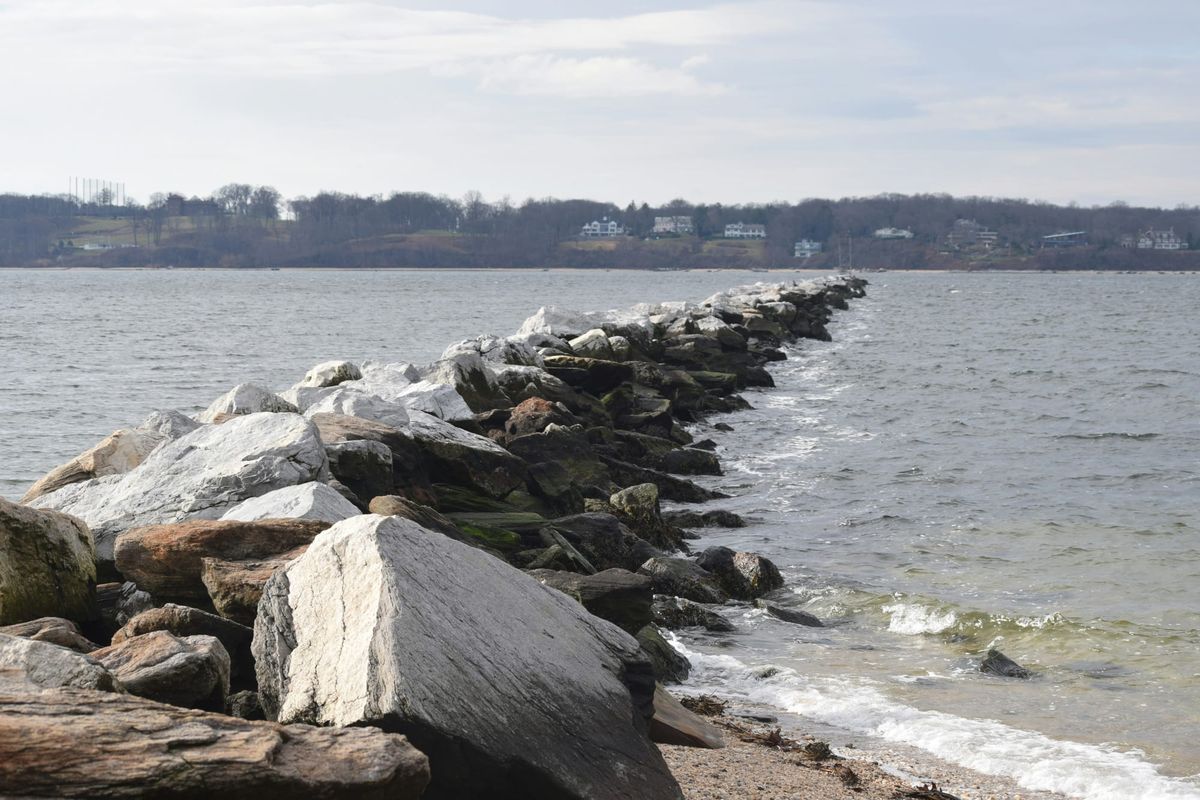
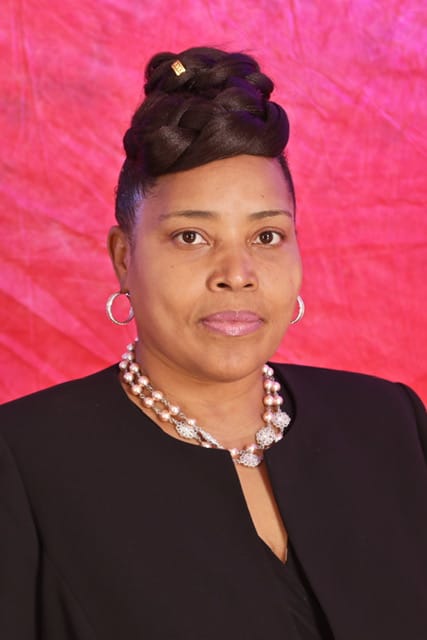
Q: Can you speak about how you were personally impacted by Superstorm Sandy?
A: Personally, yes, I was impacted. I remember Superstorm Sandy, we had over five feet of water in our house. We were impacted, as were a lot of families. We lost a neighbor, an elderly person that lived next door to us. She wasn't able to evacuate on time, I don't know what her family situation was. I didn’t know at the time this was going to happen to my neighbor.
I am always thinking, What can I do to help?
I'm always looking for things that I can do to help others. A few years later, I became a FEMA contractor. I was deployed twice to disaster sites, to be that person that goes in to do the inspections and surveys the damages.
Hopefully these people get a check, something in the mail. I cannot discuss that much of my work, because it is confidential. But, the goal in doing this work was to help others.
We did all the training to become able to be deployed. It was just as I was graduating from law school, because law is my second career. Banking and finance was my original, my first career. Right before graduating from law school, I got a call. I was going to be deployed, because I was in Florida at the time. There were floods, all kinds of stuff happening in New York. When you get that call, you’ve got to be ready to deploy right away.
I had just graduated from law school only a few days before. One of the first people I met was a senior citizen. That person may have felt that that was the end of the rope. That person confided in me, “I'm ready to give up.”
I said to myself, that's why God deployed me. I just went through devastation myself. I'm now one of the inspectors. That person was so down. I wanted to offer a minimum of comfort to say there is a silver lining, you are going to rebuild.
You will be able to build back, you know, if not bigger, better. I was that person that was able to share some of my experiences to say to this senior citizen, ‘You are going to make it.’
When you're going to a disaster site as a professional, you have to be ready to go into that site, professionally, mentally, emotionally. As a religious person, I realized that was the reason I was on that site on that day with that individual. He was the reason. He needed to hear that a person like myself who [previously] went through what he's going through.
I was able to say to him there is a better day that is coming. Don't give up. Stay hopeful. I'm glad I answered the call. He was happy to meet somebody like him and to be able to offer a measure of hope.
I hope I helped him.
Q: Do you consider yourself to be a survivor of climate change and/or extreme weather?
You could say that.
I always thought of myself as a survivor of September 11th, but I never thought of that experience that my family and I went through during Sandy, where when we found out we had to evacuate.
I had a small child at the time, and I was working on my second master's degree. When I found out there was an evacuation order, it came from another family member that lived far away from me.
I had only a few hours to pack, to get whatever I could get inside a car, to evacuate, find a hotel, to get out of Dodge. That was extremely stressful. Come to find out we had over five feet of water in our house. And, then, to lose the neighborhood that existed before.
I guess you can say I'm a climate change or extreme weather survivor as well, because I live near the water. It could have easily been a different outcome for myself, as was the case with our neighbor [who passed away].
Q: I'm sorry about that tragic news with the loss of your neighbor.
A: Thank you.
Q: Can you tell me more about what happened to your home? Did you have any property damage in your home?
The entire first floor of our home was damaged.
Q: Did you lose any vehicles?
A: Yes. We lost a vehicle.
Q: Did you have any pets or animals that you lost?
Q: No, I was fortunate. No. Pets are like family members. I did not have any pets at this time. I’m a bird person, and had two parakeets at one point years before Sandy.
Q: Pet evacuation planning or thinking about worst case scenarios can be so challenging. Thank you for sharing that personal thought. Where were you living during Superstorm Sandy?
A: I was in Brooklyn at the time. That was a long time ago. I live in Long Island now.
Q: Do you have anything to say about other people’s experiences when it comes to property loss, living in a flood zone, flood insurance or anything along those lines?
A: In terms of flood or property insurance, I know insurance has gotten very expensive to the point that sometimes, people cannot even afford to insure their homes, because it is that expensive. I know a lot of folks are complaining. Especially homeowners. It's hard for homeowners to get some of the benefits of what you were promised when you signed on the dotted line.
Q: When it comes to if you have experienced any health, short-term, long-term or any other health issues that you have experienced as a result of your Superstorm Sandy experience?
A: I would say yes. My home was impacted. My family had to relocate. We had to vacate our home. That can take a toll on anyone’s mental and physical health.
When you read stories about climate change or extreme weather, about devastation on a personal level, it can take a toll. People need to be mindful to take care of themselves and prioritize their physical and mental well-being.
Q: When I have spoken with other extreme weather survivors, one issue they shared with me is how to respond when people ask if things are back to normal in the community? Can you talk to that from a personal context?
A: Even though some people may have rebuilt, you may have rebuilt and gotten new furniture and bought new things and built everything back. But it's not the home that you knew before the devastation. It is really hard to answer that question. What is normal? What is that? Yes, communities rebuild. We do rebuild, we're resilient. But we may never go back to what we had before the disaster. I really don't know how to answer that question about what is normal. It's hard to answer.
All of that takes a toll. It takes a toll on your mental health, because you don't have the stuff you had before. You don't have the community that you had before.
Yes, you do have a community, but it's not the same. You're seeing the devastation, you're seeing the floodings, you're seeing the cars that were flooded that had to be towed. It’s not just losing something of value to you or to your family. At the end of the day, you're always going to be grateful that you have your life. Your family's life was spared. What is a car? What is a house when you have a life? Of course, I'm grateful for that.
Q: When it comes to health or mental health from extreme weather or climate change or related issues, are there any kind of final thoughts or words that you want to share about that?
A: The Haitian community [in the U.S.] right now is extremely impacted mentally speaking. A lot of our old and young alike are impacted mentally. Some of them physically from the impact of immigration and other causes. Some of them both. Maybe extreme weather or climate change was a factor on their physical health issues or mental health issues.
There was news of how we lost a young one. You know, he committed suicide. There's others that are contemplating giving up.
Here is what I have to say. Your life matters. You are important. I don't care whatever may be going on in your life, whatever the situation is, there is always a silver lining. There is always a better, a brighter day ahead.
My advice is do not give up. If you need help, there's numbers to call. If you are going through a mental crisis. Please post that number for people to know there is help.
I don't care how bleak the situation may seem to you. How devastated you may feel. Know that there is a better, brighter future. When you're in that space, you're in that moment, I urge you to please pray. You have to be faithful, because if you have faith. If you pray, you ask God for assistance, you will get that assistance. Whatever thoughts are going through your head, they do not come from God. Seek help. Talk to people that you trust. Get the help that you need.
I am religious. I believe in God. You may not be religious. You have a destiny. You have a mission to fulfill. You’ve got to seek the help that you need, so you don't end up like the young person that we lost.
One young person losing their life [to suicide], is one too many. We don't want to lose anybody from any community. That's why I'm urging people to please get help. Please speak to somebody. Get the support that you need. People should know that your better days are ahead of you, so you cannot give up, no matter how bleak, no matter what.
Q. Thank you so much.
This Q&A has been edited for length and clarity.
Medical Disclaimer
All content available on and through Health Nation Media is for informational purposes only. Such content is not an endorsement of, or a substitute for, nor does it replace, professional medical or veterinary advice, diagnosis, or treatment. If you have any concerns or questions about your or others' health or the content available on or through Health Nation Media, consult with a healthcare professional. Do not disregard, avoid, or delay obtaining health-related advice from a healthcare professional because of content available on or through Health Nation Media. Use of Health Nation Media and reliance on any Health Nation Media information is solely at your own risk. For more details, see Health Nation Media's Terms of Use.