
Busting myths and misinformation on Alzheimer's disease, other forms of dementia
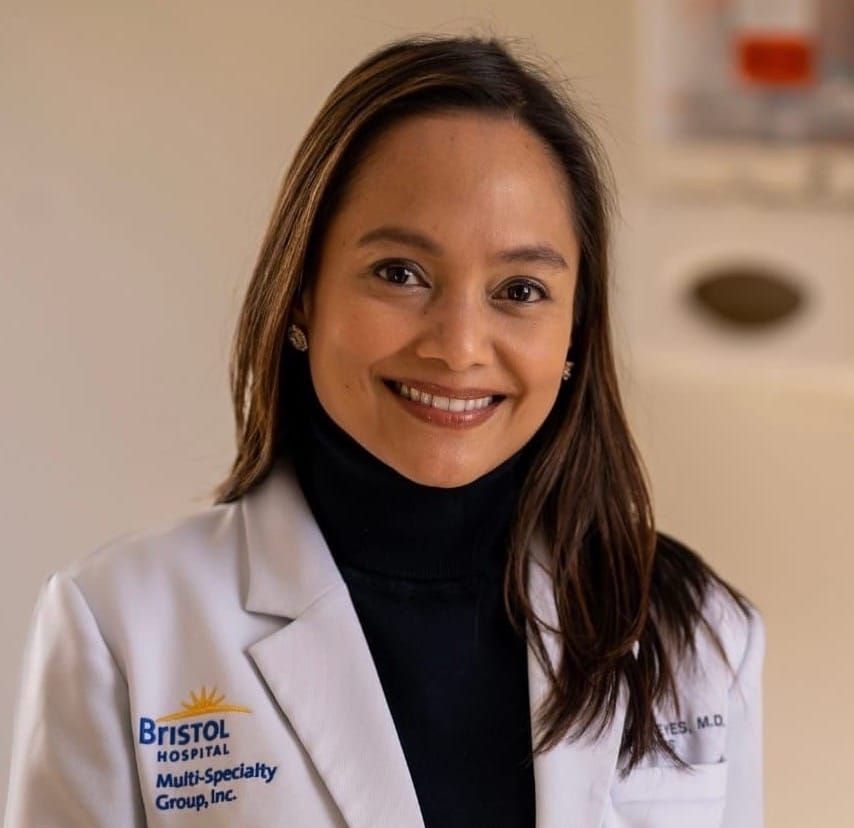
Speaking with Dr. Margarita Reyes of Bristol Health in Connecticut about cultural health considerations, the stages of grief after a diagnosis; how to handle misconceptions or misinformation; or when an individual is resistant to getting evaluated for Alzheimer’s or other forms of dementia.
Q: I wanted to talk specifically to communities of color, including immigrants and, and other groups where some care health care disparities might exist. There are sometimes when there may be some more reluctance to engage with medical treatment. Could you talk about some misconceptions or mistaken beliefs when it comes to dementia, you know, diagnosis and/or the treatment of dementia?
A: I’ve had that experience as well. I mean, even in my culture, it's the same. In my culture [in the Philippines], there's a lot of unwillingness to take medications, yet there's a lot more willingness to take supplements.
People seem to think that medications are bad and supplements are okay, I commonly have to educate people about that. Just because something is natural or a supplement, doesn't mean that it's safer. Supplements can have their own side effects, especially in the elderly people, and can cause issues with the liver and the kidneys.
I always say, let's take it step by step. Let's not even talk about treatment yet. Let's first talk about figuring out it there's actually a problem, I always encourage people before they make a decision, before they say no to something, let's first get information. I think informed decision making is what I always encourage, whatever the culture. And then take it from there. First, figure things out, get tested, talk about it before we say, I'm not going to take a medication or I don't like medications. Take it step by step.
Q: How would you respond to if a patient or caregiver or someone says our cultural group does not get Alzheimer’s or any other form or dementia?
A: That’s completely incorrect. We know that dementia is prevalent throughout the world. Alzheimer’s disease can happen throughout the world. There's just no such thing as no one gets dementia, no one gets high blood pressure. Unfortunately, healthcare issues are universal, especially as we age.
Q: What would you say to a person who says, 'I feel like I did everything right' or 'I tried to be a good person, and now I'm getting this diagnosis and I feel discouraged and terrible.' or What about religious people who ask you, 'Why me?' How do you respond to that?
I hear that from patients, no matter what religion. That's hard to respond to whenever it's something religious, right? There are just some things that happen in life that we have no control over. There's no way to explain it, even if you never had family history, even if you did all the right things to take care of your health, eat healthy, exercise, but some people still get it.
I just try to sort of pivot the conversation and say, the question is now, here's the information, what are we going to do about it? What's good is that there's actually something we can do about it now. If anything, you know, one of the things I say, especially practicing here in the United States is we're actually very lucky here in the United States to have such early access to the medications.
When I was at the conference for Alzheimer's Association International Conference in London a few weeks ago, [these medications] are not easily available in most countries yet. I spoke to people who have to pay $20,000 privately just to get access to the medications, when I spoke to some doctors, including from someone from Argentina in South America.
Where I'm from in the Philippines, these blood tests are not available. Treatments are not going to be available there for many years. No matter the cultural background, I say we're actually lucky to be here in the United States. Now, we have access to these tests and treatments. The question is, what are we going to do about it now? There's something we can do about it.
I would say Connecticut is probably one of the lucky states wherein there's just so much access to specialists with regard to dementia care. In general, I think people are pretty educated about Alzheimer's disease and about dementia care.
I would say a majority of the people who come to our office are self-referrals. They come asking for the blood test, asking about the treatments. I don't think there's a lack of education with regard to Alzheimer's disease and dementia care in Connecticut.
With that said, there are more remote parts of the United States where there is lack of access to education and healthcare relating to Alzheimer’s and other health conditions, wherein there's a lack of testing and lack of even just talking about it.
Q: What's your advice to caregivers if the individual with memory or cognitive issues is saying, I'm fine. I can drive. And then they have an accident or a crisis situation that’s dangerous?
Some of these emergency situations should be used for clinical treatment, to have a treatment plan in place. When you're dealing with an emergency situation, it becomes very hard.
My community, Bristol, Connecticut is a dementia-friendly community and a dementia- educated community. There are all these campaigns now about being a dementia-friendly community.
I get a lot of referrals from first responders in my community. I’m proud to say that the first responders truly care and are able to detect if there's, probably an underlying medical condition [like Alzheimer’s or another form of dementia], that's leading to this crisis. That's where public education is so helpful, right, and so important.
Once there's a crisis, whether a car accident, someone wandering or mental health symptoms in an elderly person it might be late stages of dementia already. Even if it's someone who's just in their 60s. I think it’s protocol that the individual gets medically evaluated first. That's why education is so important, not just for first responders, but even for the emergency department.
If that person is refusing to be evaluated. That’s another common symptom. When the patient himself or herself has poor awareness and insight into the changes, I would say my message to the care partners would be to advocate, advocate, advocate. Get [them] tested. A big reason to get tested is there might be something we could do about this, especially if it's early on.
I would say first, spread the word. Spread the word about changing our mindset of what the picture of Alzheimer's disease is. A person with Alzheimer's disease could be someone you're working with. Someone who's just very functional, very mild symptoms, you would never guess that they have Alzheimer's disease.
The second shift in mindset should be get tested sooner. Do not automatically dismiss or disregard things say and say, 'I’m 70, of course I'm going to be forgetful.' No, it’s not automatic. It's best to always be thorough about testing and figure out what's going on. The opportunities for treatment keep you who you are for longer and keep you as independent for as long as possible.
This interview has been edited for length and clarity.
For more information:
Visit the Alzheimer's Association website. Call the Alzheimer’s Association 24/7 helpline at 800-272-3900 or visit their website at alz.org. A first step is to always talk to a trusted healthcare provider.
Medical Disclaimer
All content available on and through Health Nation Media is for informational purposes only. Such content is not an endorsement of, or a substitute for, nor does it replace, professional medical or veterinary advice, diagnosis, or treatment. If you have any concerns or questions about your or others' health or the content available on or through Health Nation Media, consult with a healthcare professional. Do not disregard, avoid, or delay obtaining health-related advice from a healthcare professional because of content available on or through Health Nation Media. Use of Health Nation Media and reliance on any Health Nation Media information is solely at your own risk. For more details, see Health Nation Media's Terms of Use.