
Reflecting on 20 Years of Breast Cancer Survivorship: Long-Form Interview With Maimah Karmo
Karmo is the founder and CEO of the Tigerlily Foundation, a 501(c)3 nonprofit organization, focused on women’s health and oncology education, awareness, advocacy and hands-on support to young women, ages 15 to 50. An immigrant from Liberia, Karmo is a long-time Virginia resident.
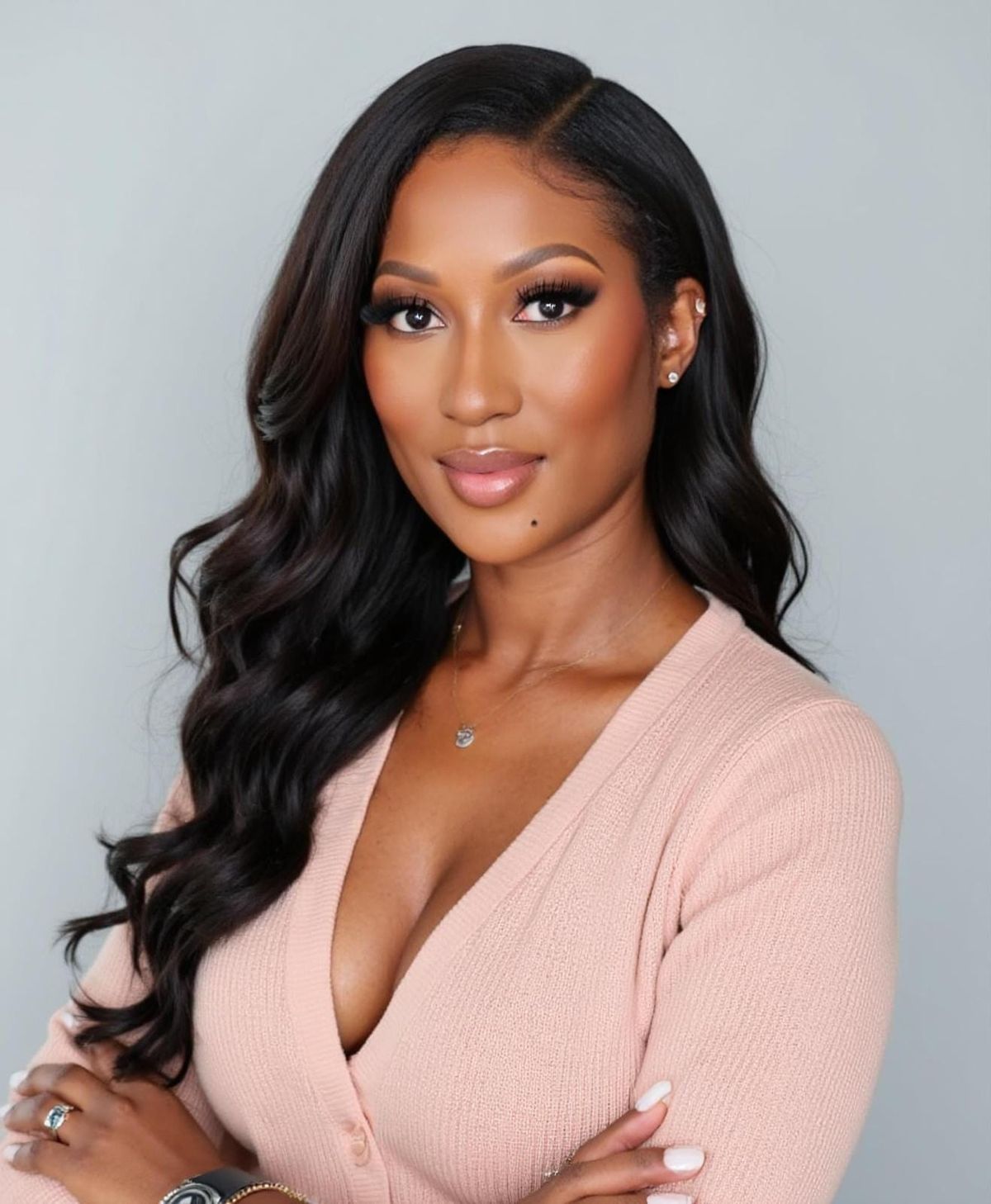
Q: Please tell me more about yourself and the Tigerlily Foundation.
A: My name is Maimah Karmo. I was diagnosed in 2006 with stage 2 triple-negative breast cancer. I am the president and CEO of the Tigerlily Foundation, a 501(c) 3 nonprofit. We are a national organization that serves all 50 states. We have many in-person and online events, support groups and trainings across the country. We have partnerships and upcoming events in the New York metro area in 2027, and throughout the country.
Q: So, you are celebrating 20 years of survivorship? Congratulations!
A: Yes, 20 years. Thank you.
Q: Can you tell me more about your breast cancer health journey?
A: I learned I had breast cancer at 32-years-old. I found a lump in my breast at 31. Initially, the doctors said I was too young to have breast cancer. At the time it was very scary because I had not felt a lump before. I have been doing breast exams since I was 13-years-old and I knew my body enough to know it was not normal.
I was really anxious about figuring out what that lump was. I wanted it out. I pushed to have a mammogram which came back clean. But the lump was still there. It kept on getting bigger. I wanted a biopsy. The doctor refused. After months and months of pushing, I finally got approval for a biopsy and I was diagnosed with triple-negative breast cancer, Stage 2B.
It was February 28, 2006 when I was diagnosed. It was almost a year of asking for support. It was very, very frightening. My tumor doubled in size. If I had waited for the doctor and took her advice, I probably wouldn’t be here today.
I had a lumpectomy, chemotherapy and radiation.
Q: That sounds so frightening. At the time of your breast cancer diagnosis, were you working? Did you have family support? Can you tell me more about your work and home life?
A: I was working as a proposal manager for a government contractor. My daughter was two-years-old when I found the lump. I was diagnosed when she was three-years-old. I worked at my job. I had a healthy lifestyle, went to the gym almost daily. It was really shocking to learn I had breast cancer. It was very overwhelming.
I did have health insurance. I have a cousin who works in [life] insurance and she kept on saying, 'You have to have life insurance you never know'. So, my cousin pushed me to get life insurance just in case. Thank goodness I had insurance. After getting a breast cancer diagnosis, you cannot get life insurance for years. But either way, insurance didn’t cover all of the things. There were medications I couldn’t afford. There were co-pays. I had two shopping bags of bills. Envelopes of bills. I would throw those papers into the shopping bag. People don’t care if you have cancer. The phone company just keeps sending you bills. The fees add up. I just kept on throwing stuff in the bags. I just let it sit in the bags for a long time. It wreaked havoc on my life financially in many ways.
It's hard enough to navigate cancer at 32 -years-old. It is hard enough navigating cancer as a single parent. For certain things if you don’t do it at the right time, your outcome is different. Doing the right scans to make sure things are okay.
Well, my OB-GYN pushed for me to have the mammogram. Your doctor won't recommend it to you, until you're at that age, right? I really believe this now as I've gotten more mature in this space, that technology is driven oftentimes from policy, right?
Women are not recommended to have mammography until they are in their 40s. Per the guidelines. Well, there are different guidelines. US Services Preventative Services Task Force guidelines. The National Comprehensive Cancer Network (NCCN) guidelines and then there are also the American Cancer Society (ACS) guidelines.
If these huge bodies which are led by policy makers, physicians and “quote unquote” leaders in the space, are conflicting, then what are you supposed to do? What are the average people supposed to do? You are thinking I had no family history. I had a healthy lifestyle. I had no personal history. I didn’t fit any criteria.
If these bodies governing cancer and health guidelines are saying that women don't get breast cancer until a certain age, then doctors wouldn't be checking for them at any younger ages. To add to that, the technology, mammography didn't detect tumors in denser breasts, and Black women tend to have dense breasts more often.
It was very very daunting. You have to push and advocate. You have these people who are credentialed. They are telling you this is not a serious thing. They are the doctors. But at the same time, you are realizing that if you don’t do the right thing, this is your life. This is your life you are holding in your hands.
It happens very often. You know one of the things that is shocking and frankly, this is a strong word, is disgusting to me. Even though I am 20-years cancer free, the stories I have been telling are not unique to me. I hear them all of the time. Particularly women who are younger and Brown and Black.
Even though there is more awareness and education today, people are still getting dismissed by their doctors and delayed screening and treatment. This leads to late diagnosis and potentially death.
One of the things that is important to me as a patient leader is to educate women to become their own best advocate. We train women every year to know how to push and follow up. We train women every year how to hire or fire a doctor. They work for you. There are things we can do even though the health care system is lagging behind. You have to navigate and push or follow up and so forth before they're taken seriously. At the end of the day our lives are in our own hands.
If you are a doctor and someone calls and presents with a lump and has an issue, you should not blow them off whatever your beliefs are. Figure out what appropriate screening that can be offered. That is what you have to do.
Maybe it's the health system being overburdened. Maybe they're still looking at the older guidelines. I'm not sure what the issue is. The things that were happening to me shouldn’t have been happening [in 2006] and not still happening in 2026.
If I hadn’t had a mom who taught me the importance when I was younger. It is important to have a doctor who you can trust. [My mother] said it was important to have a doctor you can trust who would advocate for you. But I did have one doctor who listened at that time. My OB-GYN helped me advocate to get the mammography done. The doctors who did not want to do a biopsy, that was the issue.
Q: Can you tell me some of the examples when a young woman was worried something was wrong and then went on to be diagnosed with breast cancer?
A: I have a friend who found she had breast lump issues and so forth in her 20s. She was dismissed for six years until her nipple was bleeding. At which time she was diagnosed with metastatic [stage 4] breast cancer. She was dismissed by several doctors over several years and just told she was being hyper vigilant or it wasn’t an issue.
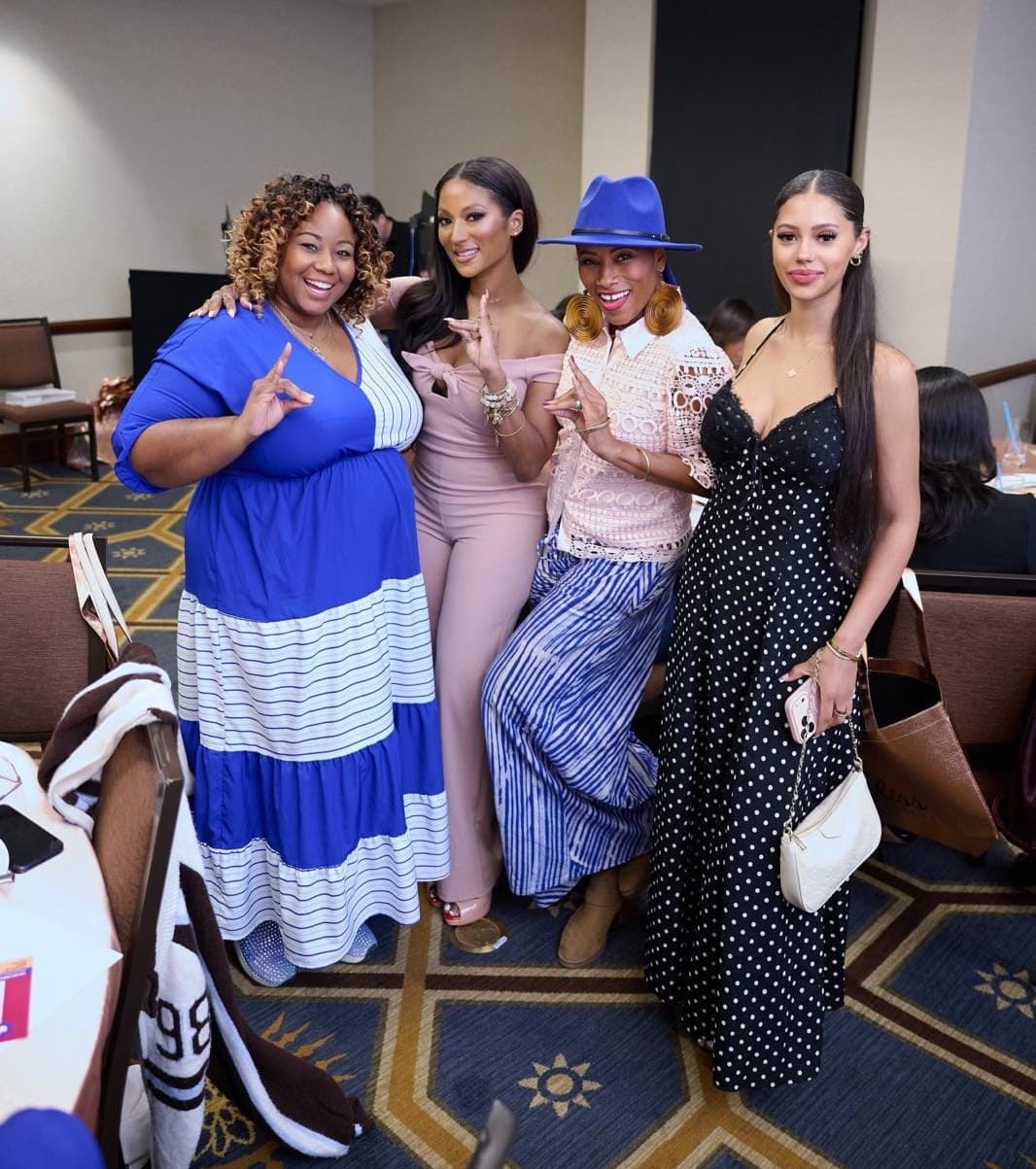
Q: Tell me more about your organization and the work that you do.
We have recruited and trained almost 700 women of color from our Angel Advocates program, an estimated 50 women every year. They learn Breast Cancer 101, subtypes, policy, clinical trials, how to understand what they see on social media, survivorship. Wherever they are on their journey. We work with our advocates to understand health issues. How to advocate for themselves. self-care, survivorship, the different disease stages. Early stage or metastatic. The trainings are concurrent, so they're always going on.
There are people with metastatic breast cancer who will never be out of treatment. It is important that their voices are heard. With that stage of diagnosis, it is a chronic issue, not an automatic death sentence.
Even when it was hard, I was just thankful that my heart was beating and I could breathe. My goal is to help empower people to be inspired by life and not take it for granted and appreciate the life you are given.
The Tigerlily Foundation is my baby. I have two children. My daughter Noelle who is 23. And Tigerlly is 20. My daughter was 3-year-old when I was diagnosed and when I began Tigerlily. Like I said, she was two when I found the lump in my breast and three when I was diagnosed. One of the things that cancer does is take away my fertility. I planned on having a lot of kids. But I couldn’t after getting chemotherapy.
I turned a challenge into a catalyst. I could take what challenged me and use that to help other people have a different experience of cancer, have a different experience with life before, during and after breast cancer.
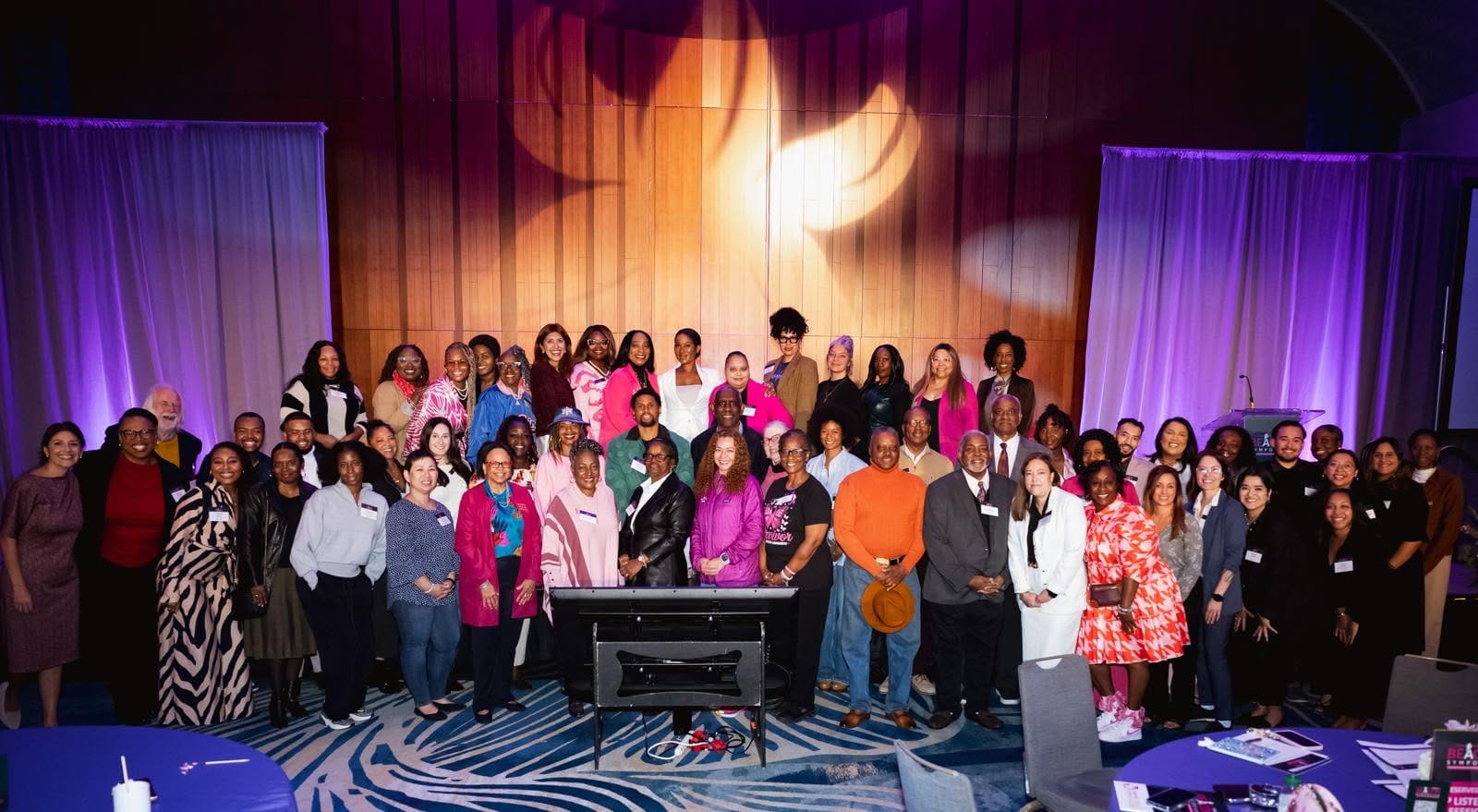
Q: You are an immigrant. Can you tell me more about your immigrant story?
I came from a refugee camp in Liberia. I miss home. When the war happened in 1980, and the next war was 1985 and then 1989. I had to leave 1989. I am thankful to be safe and happy in the United States. But I do want to go back home at some point. My home is Liberia and I was forced to leave.
My family is amazing. We lost my dad five years ago. I have four brothers. We are all very close. I am the big sister and the 'mom'. We have a lot of fun together. Something about going through war and escaping. At the end of the day family is family. They have your back in adulthood.
I tell my family all of the time. I think people should know they have the opportunity to shape their healthcare journey. You are the CEO of your health. You own your health and have to act on it, prioritize. Your health care team works for you. Number three, is a quote I love. When you know better, you have to do better for yourself and the community. You have to share what you know. Take care of your body and pay it forward.
Q: How is your health today?
A: My health is fantastic. I feel like I am aging in reverse. I meditate on Reiki. I work out almost every day, six days a week, unless I am traveling for work. I do all of the things I can control to keep my body healthy. Hydrating, sleeping, eating in a healthy way.
I schedule my doctor’s appointment every quarter. I have a bunch of appointments. From my head to my toes. Everything is well studied and tested and all of the screenings are happening. I do something called a function test that checks your organs, checks for cancer and gives you biomarker information.
I am thankful. People hear about health is wealth. People oftentimes procrastinate. I tell them to schedule your appointments the way you schedule dinner with friends. Just get to your appointments, the important ones on your calendar and make them reoccurring. With MyChart, I am in there all of the time, not as often as every day like before, but I understand my blood reports. Your health is so important. Sometimes doctors can dismiss certain things.
Q: I know one of the things you are working on is clinical trial awareness for breast cancer. Can you tell me more about your thoughts on the importance of doing clinical trials?
A: I think they're life saving. I always tell people that I'm so blessed to be here as somebody who's a Black woman who had triple-negative breast cancer (TNBC). Who didn't have a targeted treatment option. For many women who have TNBC, a highly aggressive cancer, tends to recur. So I am blessed to be here.
Clinical trials are a way to extend life and also, women who are metastatic can extend their lives. Tigerlily is working with companies about clinical trials drugs, at some point, when it's approved, it's used in first-line treatment for those who need it.
Many women of color do not want to participate in clinical trials. People think that trials are scary, but whether you have allergies or, you know, you have headaches, like, there's medications that we take every day, or without thinking, that they were once a part of a clinical trial.
It's really important to me to help people understand why trials are important and they are life saving. Not only could they extend your life, but it could give people, doctors, more information to help them tailor drugs for certain demographics, right? So, I'm a huge clinical trial proponent. We do a lot of work with different companies around clinical trials and getting populations that are vulnerable and underrepresented involved to understand clinical trials.
Q: Can you talk about what being a survivor means to you?
A: I would say I have so much gratitude for my life. So much of my heart is so thankful and so full. I do feel like when you think you're on a timeline, the level of focus it gives you and level of intentionality it gives you is so important. I didn't know how much time I had at 32. I just thought I’m going to just do something really epic and then, maybe, God could give me more time. He has given me a lot more time. It’s shown me the importance of being thoughtful about purpose and joy in family and life. We're appreciating how wonderful life is and how important it is to embrace every moment of it.
Never doubt yourself. In Tigerlily’s earlier years, we weren't well funded. But I kept going. For the first 14 years, I was working on a shoestring budget. People were not funding patient-led groups like mine, young Black women, right? They were funding much larger organizations that had connections. No one tells you how to get in the door. Today, I feel thankful that I've opened the door for women of color. Now young women are now having conversations around clinical trials that weren't being had in certain spaces before.
I am always thankful to have life, to create change, and to create a living legacy.
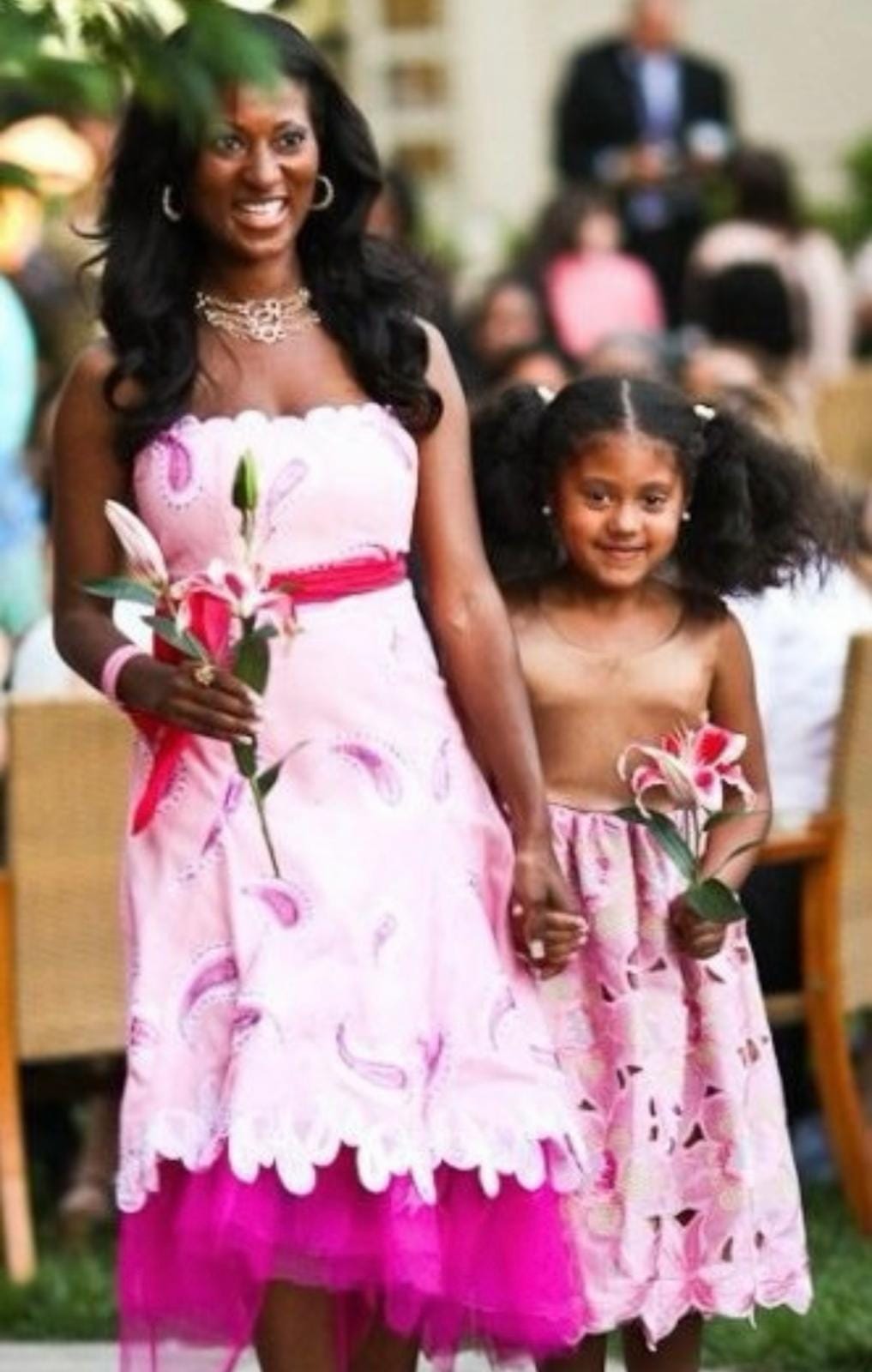
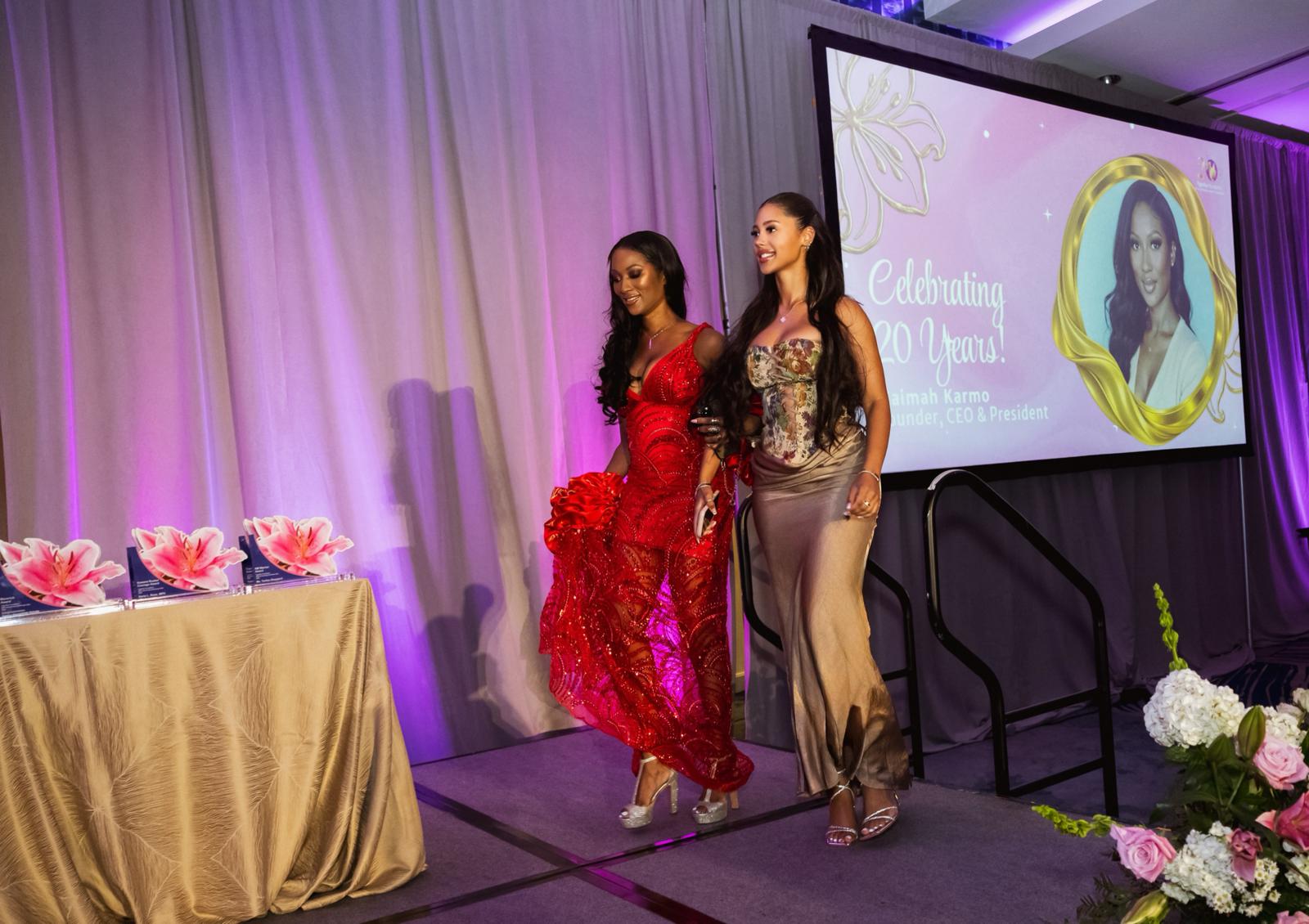
The time with my daughter has been the most important. At our recent gala we had, we were walking on stage together, arm in arm. She's taller than me now. She looks so beautiful. She’s a college graduate. I just literally got emotional because our first gala, she was wearing two pigtails. She was holding my hand and her head stopped at my waistline. Now. she's taller than me.
I want that for all mothers. I never took any moment for granted.
This Q&A has been edited for length and clarity.
Medical Disclaimer
All content available on and through Health Nation Media is for informational purposes only. Such content is not an endorsement of, or a substitute for, nor does it replace, professional medical or veterinary advice, diagnosis, or treatment. If you have any concerns or questions about your or others' health or the content available on or through Health Nation Media, consult with a healthcare professional. Do not disregard, avoid, or delay obtaining health-related advice from a healthcare professional because of content available on or through Health Nation Media. Use of Health Nation Media and reliance on any Health Nation Media information is solely at your own risk. For more details, see Health Nation Media's Terms of Use.