
What's really in synthetic hair products? Long-Form Interview with Alicia Hyndman, a Queens, N.Y. legislator on proposed Beauty Transparency Bill
N.Y. consumers who use synthetic hair products have long had questions about any potential connection to health issues. If passed, the proposed legislation would require manufacturers to list all ingredients on hair products and display warning labels for known carcinogens or reproductive toxins.
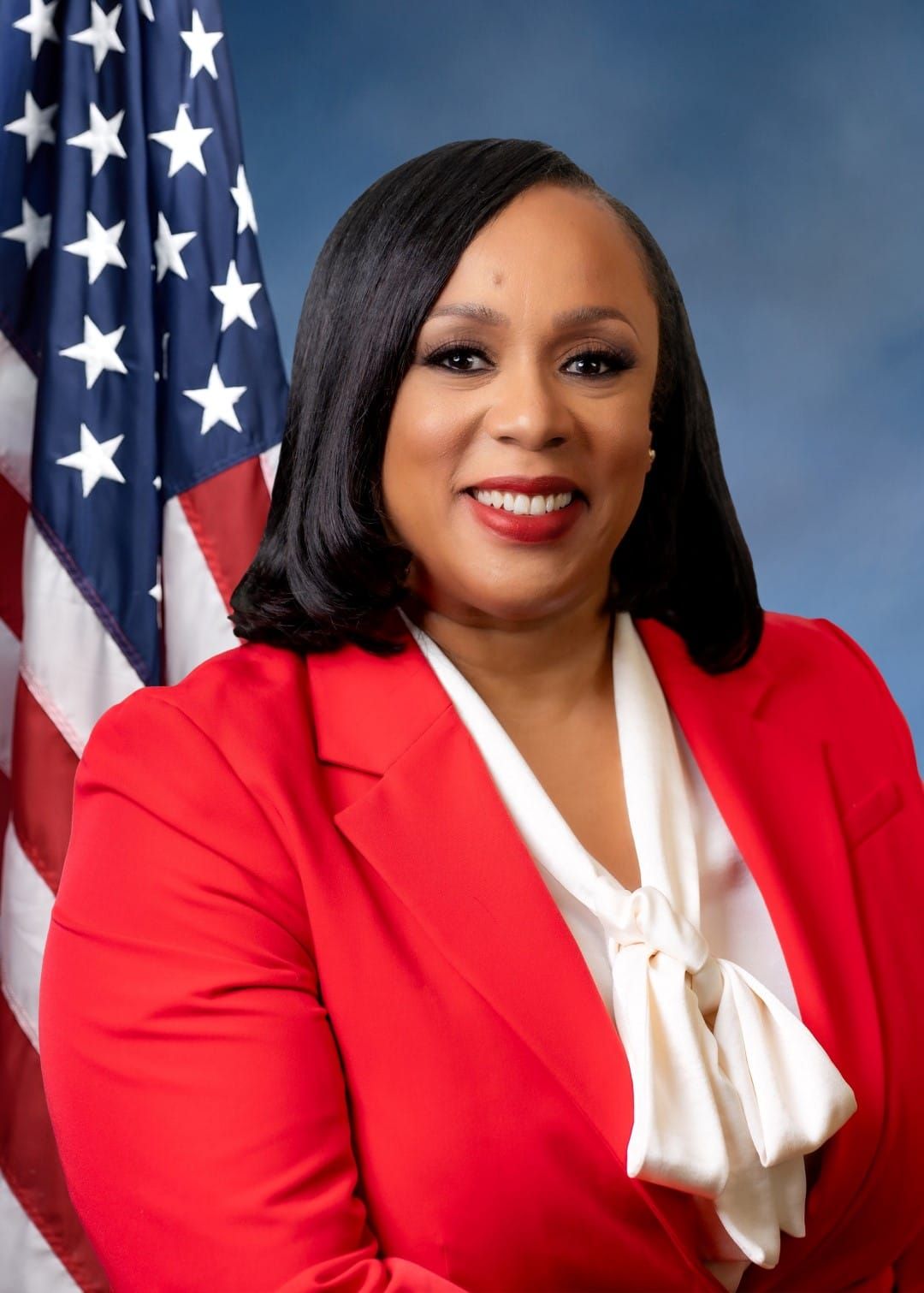
Q: Can you please introduce yourself?
A: I am Alicia Hyndman, assemblywoman for the 29th Assembly District, which represents Southeast Queens, the communities of Rosedale, Laurelton, Springfield Gardens, Addisleigh Park, Hollis and Jamaica. I am the chair of higher education. I represent a predominantly black community, predominantly homeowners. I have been serving this district since 2015.
Q: What do you want people to know about the potential health issues or risks when it comes to synthetic hair products intended for African American consumers?
A: We love to style our hair, the versatility of being a Black woman [means] we've been blessed. However, some of the products that we are using may have potential health risks. Research studies have shown they have been causing chaos with our reproductive systems and our health. [Studies on carcinogenic materials, chemical exposure studies and safety studies on Volatile Organic Compounds (VOCs) after heating synthetic hair].
I was able to introduce and pass a bill on the hair relaxers that people, Black women predominantly, use. That bill passed. The governor signed it into law.
Now, I have another piece of legislation [and the information is available online].
I have a godchild who had an allergic reaction, once her [synthetic] braiding hair was put in. She had to immediately have it taken out because of a severe reaction. I noticed that this was happening more and more. When you look at these braiding [synthetic] hair packets, you're unable to tell what it's made of.
We put warning labels on everything. We put it on furniture, we put it on products. Other states like California are really good about putting information when the product may have carcinogens in them.
I thought, why not here in New York? Why don't we do this with braiding [synthetic] hair? That's why I introduced the bill. We passed it in the assembly. I'm hoping that in our next cycle [starting] in January [2027], we can pass it in both houses, and the governor can sign it into law.
Q: If everything lines up perfectly, and it passes, what would be the earliest scenario that Governor Kathy Hochul would sign this proposed legislation into law?
A: Legislation is funny. Timing is everything. I don't know what the earliest date is. I'm hoping it will pass and get signed the upcoming legislative session, which is January through June of 2027.
Q: What would you say to an individual who said to you, 'This proposed legislation is not a priority' or 'This is not an important public health issue'. How would you respond to someone if they said that to you?
A: If someone said that to me, I would ask them, ‘How would you know?’ When women go and get their hair done, sometimes you are buying the [synthetic] hair or the stylist is providing the [synthetic] hair to you. You put it in your hair, you feel fine. Nothing happens for a couple of months, a year goes by. Then you go to the doctor because you're having issues.
The health issues do not always present immediately. Sometimes, it's the prolonged use of these products. People are realizing health issues are coming from the [synthetic] braiding hair.
So, if, when someone says that to me. I am Black woman, we are always at the bottom when it comes to reporting issues that happen to us. When it comes to fibroids, Black women have a propensity towards fibroids. These issues, when they affect Black women, are not always prevalent in all types of landscapes. We are now seeing maternal mortality really being taken seriously in New York State and across this country. When it comes to the chemicals that were used for hair relaxer products we are seeing this. Others have taken some notice of issues in this country.
I think that bringing this issue to light, making it a law in New York, says to everyone that Black women's health is important. We're going to do something about it. We’re going to make sure that these manufacturers list the ingredients.
We're not saying you have to stop using synthetic hair products. We're saying, post what is in the products. If you are are a manufacturer using synthetic hair to braid hair, publicly post what they're made of. Let us be the judge of whether or not we want to use this product and if we want to put this product in our hair.
It's supposed to be a full list of the products containing carcinogens or reproductive toxins. They have to disclose all ingredients used in manufacturing these products and identify what these products are. They have to identify whether the products contain carcinogens or reproductive toxins.
Q: I know you're not a scientist, or a researcher, but why are manufacturers putting these carcinogens and toxic ingredients in the hair, synthetic hair in the first place? What is the reasoning? This is something I don't understand.
A: You are asking me the motivations of people who make billions of dollars in this industry? There is no doubt that across the country, not just in the country, in England, in countries in Europe, throughout Africa and elsewhere, that when it comes to Black women, hair products are a multi-billion dollar industry.
If you're asking me about their motivations, I would say that the law just hasn't caught up with them yet. Members of my team are seeing a lot more videos and published research where this information is being shared. I am not a scientific researcher, but I am a legislator. I do take the information that I have received from researchers who are proving that these products are detrimental to Black women.
I'll go so far as to say that I've been reached out to by a company that is a big producer of synthetic hair. They've asked me to make various changes to my legislation, which I have resisted at this point. The bill that passed the assembly, sufficiently, was unanimous. I see no reason why I should change anything in the legislation when it comes to this type of braiding hair, synthetic hair.
Q: That leads me to my next question. What is the reaction from people including, but not limited to, braiding or beauty salons, hair manufacturing companies and or any other businesses that might be impacted by this legislation?
A: I met recently with a company through a lobbyist that asked me to take out certain language that's in the proposed bill and put new language in the bill. I didn't even entertain it. I said, no. I'm not changing anything. If a manufacturing company is coming to me to ask me to change things, it has to be something that benefits the company. I have not looked at what their recommendations are. I doubt they'd be putting anything in the bill that would help Black women, I think it would be to whatever is going to help their bottom line.
These companies know that if a woman is going into a store, she may change her mind as a consumer against buying these synthetic hair products if they see that these carcinogens are listed. Carcinogens could lead to short and long-term health problems. There may be short-term and/or long-term dermatitis issues. Issues relating to maternal health, like I mentioned. Fibroids or there could be issues leading to cancer. If I saw a warning, I would put the pack of hair down and not buy it. No manufacturer is going to want something that is going to affect their bottom line.
Q: Do you have any idea of how many women in your constituency who might be potentially impacted? How many women? Would you say that number has increased over the past 10 or 20 years?
A: I do not know the total numbers of Black women who are buying these products whether they are my constituents, in New York State City or within New York State. What I do know is anecdotally, the number of beauty supply stores in any community will tell you that the market is there for Black women shopping for hair.
The synthetic hair is always cheaper than human hair or locally-resourced hair. There are some Black-owned companies out there that are making and producing hair now, because there's a market for Black-owned, sourced hair. I would say the amount of Black beauty supply stores and braiding shops will tell you in any community that there is a demand and a supply for this industry. I don't have any exact numbers for you. It's all anecdotal.
Q: What would you say to a constituent or a community member who tells you, I need help. What do you recommend they do?
A: Take out the synthetic hair. Then go to a primary care doctor or a dermatologist for a consultation.
Q: Can you tell me more about resources for individuals who use synthetic hair and who suspect they may have health issues or problems?
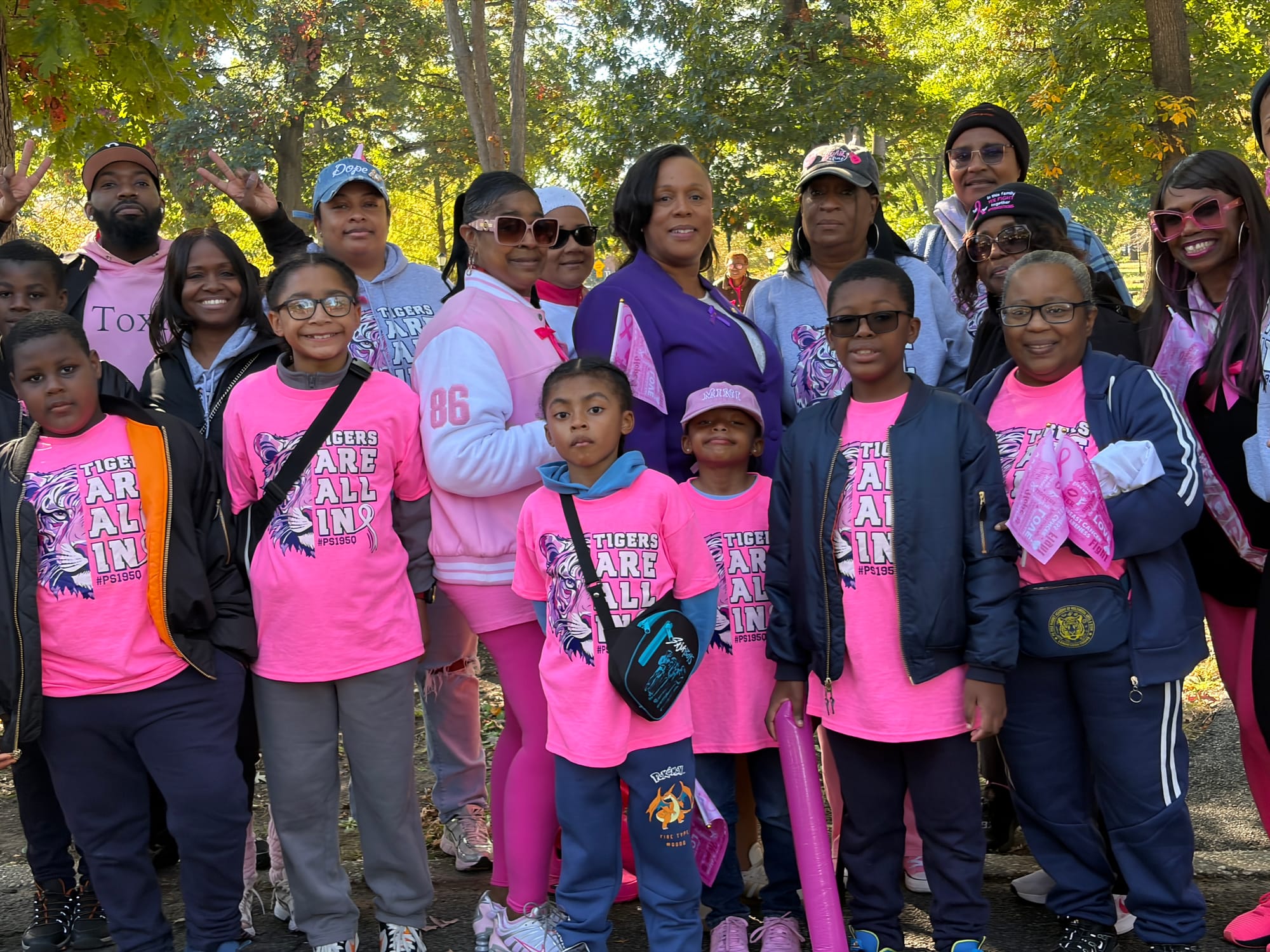
A: October was Breast Cancer Month. I'm hoping women are getting checked for breast cancer, doing your annual visits. Children should be getting blood screenings, and seeing what results come back, and being proactive about their health.
When you face problems, when you're noticing, 'I think something's wrong with my body'. You can go and get diagnosed from a dermatologist or from your general practitioner, from the ER or from an urgent care facility.
So, you get the diagnosis, but then really getting to the root cause of what caused the diagnosis, sometimes that can be hard. If you’re dealing with a cancer diagnosis, you just don’t know the root cause.
The skin condition that you now have could be a result of using these products in your hair or it could not be related. I would refer individuals to some of the studies that I have seen.
Q: As a legislator who is a non-medical professional, what would your advice be to parents of children who use synthetic hair products for themselves and/or their children?
A: I absolutely would tell parents, especially for children, and just Black women in general, to think twice about what we put on our hair and what we put in our bodies, in terms of short-term and the long-term effects. Where is this hair coming from? What's in it? Is there another hairstyle I can use or another hair product I can buy that is safer?
When it comes to women, there's a lot of time involved in keeping ourselves maintained. Braids and weaves can take time, but also give us back a lot of time. None of these hair styles should be at the expense of our health or suffering health problems. We have options for hair styles that do not involve synthetic braiding hair.
Q: What’s next in terms of overall health community health priorities?
A: When it comes to this legislation, I was talking with my communications director this morning, we need to get the word out. Family members of my staff have become sick or died from cancer and other health issues. I'm a member of the National Black Caucus of State Legislators. I submitted this bill is a resolution which is made up of state legislators nationwide to talk about the two bills, the first one, which is the hair relaxers, and this bill.
To put it in a resolution that we recognize nationally for Black women, and hopefully other states will pick up similar versions of both the law and the bill, this bill that's pending now.
I'm also a member of the National Organization of Black Elected Legislative Women. It is one of their resolutions also, because when Black women get together who are elected state legislators around the country, we discus legislation that other states should be passing, like the Crown Act. When that was passed in New York, other states passed the Crown Act.
We want to make sure that they're being proactive with their health and not reactive. We are discussing legislative issues that are a priority. When it comes to my district, we are trying to make sure we change that narrative, that means making sure we're proactive, My staff are always involved in a lot of health fairs and trying to be sponsors or co-sponsors of events with churches and houses of worship, organizations in the Black community, like Jack and Jill Queens, the National Council of Negro Women, our fraternities and sororities. I'm a member of Delta Sigma Theta Sorority Incorporated.
Being involved in those organizations, as well as being a legislator, really helped me drive the narrative home that our health matters. While it sounds like an old adage, but as people say, health is wealth. Making sure people are being proactive when it comes to their health, as what I feel this bill does, is being proactive when it comes to Black women's health.
Q: Who do you want to thank for kind of working together with you, supporting you in this kind of trailblazer, you know, legislation? And then are there any other states that have done something similar or who are maybe joining you and supporting you and being a resource for you.
A: In New York, my colleagues in the Assembly and the Senate are very supportive of this legislation, so I want to thank them as well.
My colleagues in Illinois, like Representative Sonya Harper, have been great on this. She has some legislation that is very similar. We saw each other last month at an annual legislative conference.
People look at New York and people look at Illinois because of the Black populations there. We are trying to be that mirror for each other to push this legislation to completion, not only in my state, but also attending these conferences help us to get more movement around the bill nationwide.
This Q&A has been edited for length and clarity.
For more information about the proposed legislation. Read on for additional outside coverage on the issue of synthetic hair.
Medical Disclaimer
All content available on and through Health Nation Media is for informational purposes only. Such content is not an endorsement of, or a substitute for, nor does it replace, professional medical or veterinary advice, diagnosis, or treatment. If you have any concerns or questions about your or others' health or the content available on or through Health Nation Media, consult with a healthcare professional. Do not disregard, avoid, or delay obtaining health-related advice from a healthcare professional because of content available on or through Health Nation Media. Use of Health Nation Media and reliance on any Health Nation Media information is solely at your own risk. For more details, see Health Nation Media's Terms of Use.