
African-Americans and the need for public awareness about dementia
African-Americans have higher rates of Alzheimer’s disease, and other forms of dementia. A significantly higher number of African-Americans are more likely to be diagnosed at a later stage of the disease. Far too many who are aging in place with dementia often face healthcare access issues.
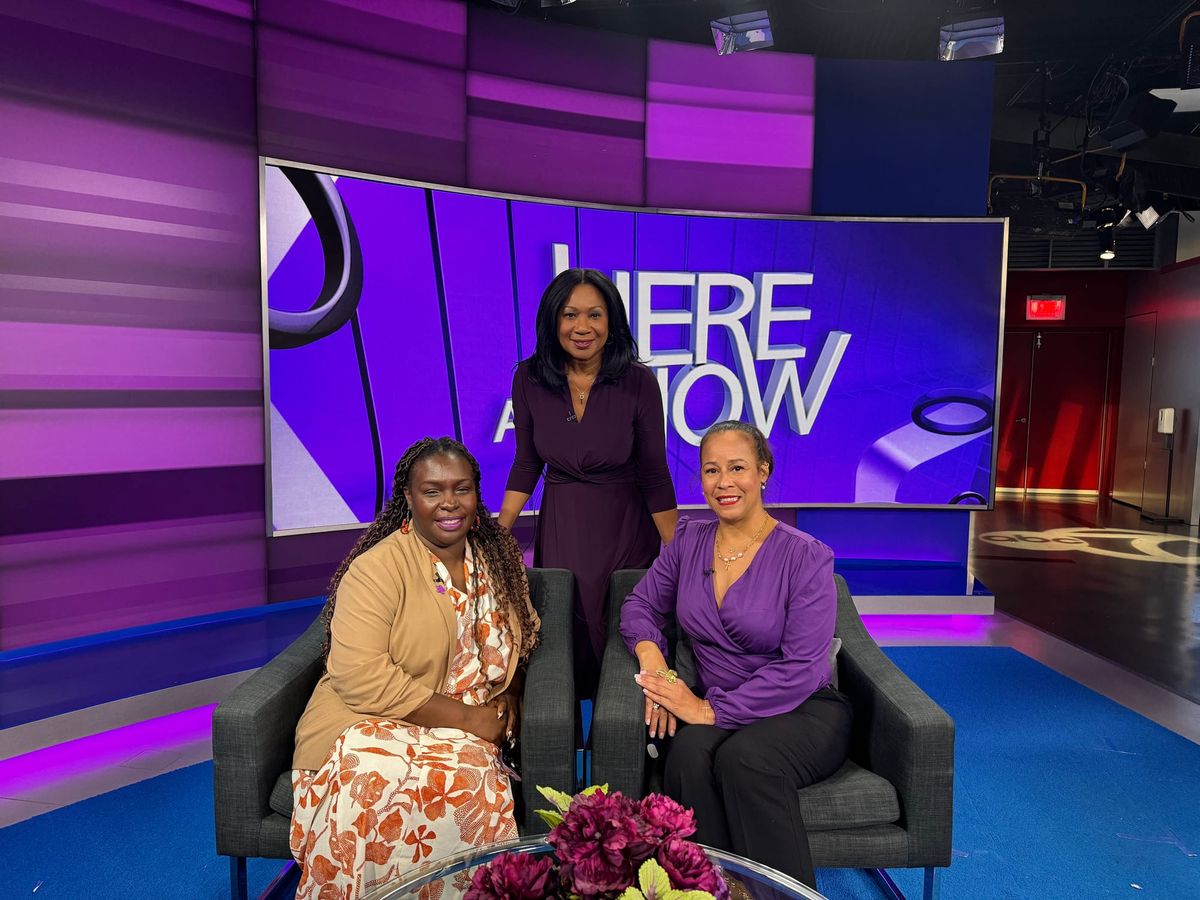
Q: Can you speak to the issue of public awareness among African-Americans who have Alzheimer’s or other forms of dementia?
A: I think in communities of color, it's a challenge getting information out. We often hear caregivers and individuals say, “Nobody told me.” At the Alzheimer’s Association, we want to make sure that you have all the information you need before you start on a path. We also want to support you along the path. I think when you're worried or concerned about something like Alzheimer's, it's very real, because it can alter your life for decades.
Sometimes, you may not hear it or understand it the first time, or the second time. It has to be repeated.
You have to hear these messages over and over again. You have to hear it from different people. When [it comes from a] neurologist, you may hear it one way, and if your pastor or someone in your faith community says it, you might hear it another way. Then the social worker says it or a trusted friend... and you may understand and relate differently.
We just did an event in partnership with the Harlem Fine Arts Show, and we shared information with attendees. We also honored B. Smith, who was a prominent figure in the African-American community and her husband Dan Gasby.
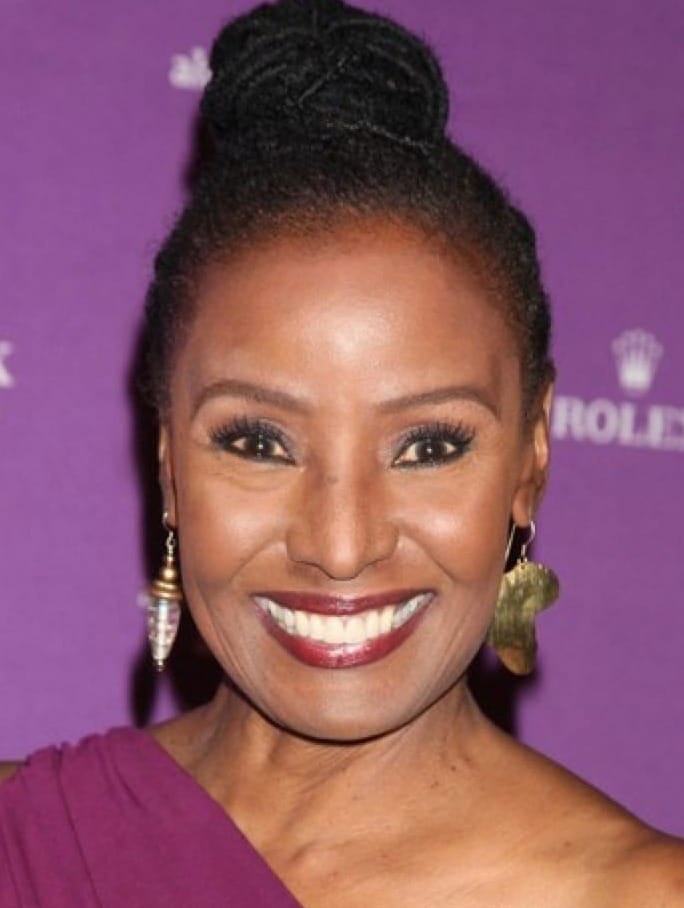
B. Smith passed away in 2020, and her husband continues to be a very vocal advocate and to share his experiences as a caregiver. I had so many people at the event come and share their experiences as current caregivers, former caregivers, or share their concerns about themselves or their loved ones. It was a great opportunity to connect, share information and listen.
Whenever public figures are speaking on their experience, it helps to take the issue out of the shadows. It helps people to start asking more questions. It also makes you aware that a health condition can [impact] anybody. We need to be even more diligent to talk to each other and share information.
If we can stack the deck in our favor, that is the best thing that we can do. Communities of color have higher rates of Alzheimer’s disease. We need to empower ourselves. I think it helps to highlight that Alzheimer’s doesn't discriminate based on how much money you have. That is not going to protect your brain. It's not a deciding factor for who experiences Alzheimer's disease and related dementias.
I think it's normal for people to feel discouraged, because it can feel hopeless or inevitable. It is also very difficult to watch a loved one experience this devastating disease.
We are hoping that by sharing available resources and also sharing information and experiences, we can address some of the needs and challenges and provide some hope. Everyone, no matter how famous or not famous, needs additional support to care for anyone living with dementia. Everyone can also consider how they can practice healthy habits.
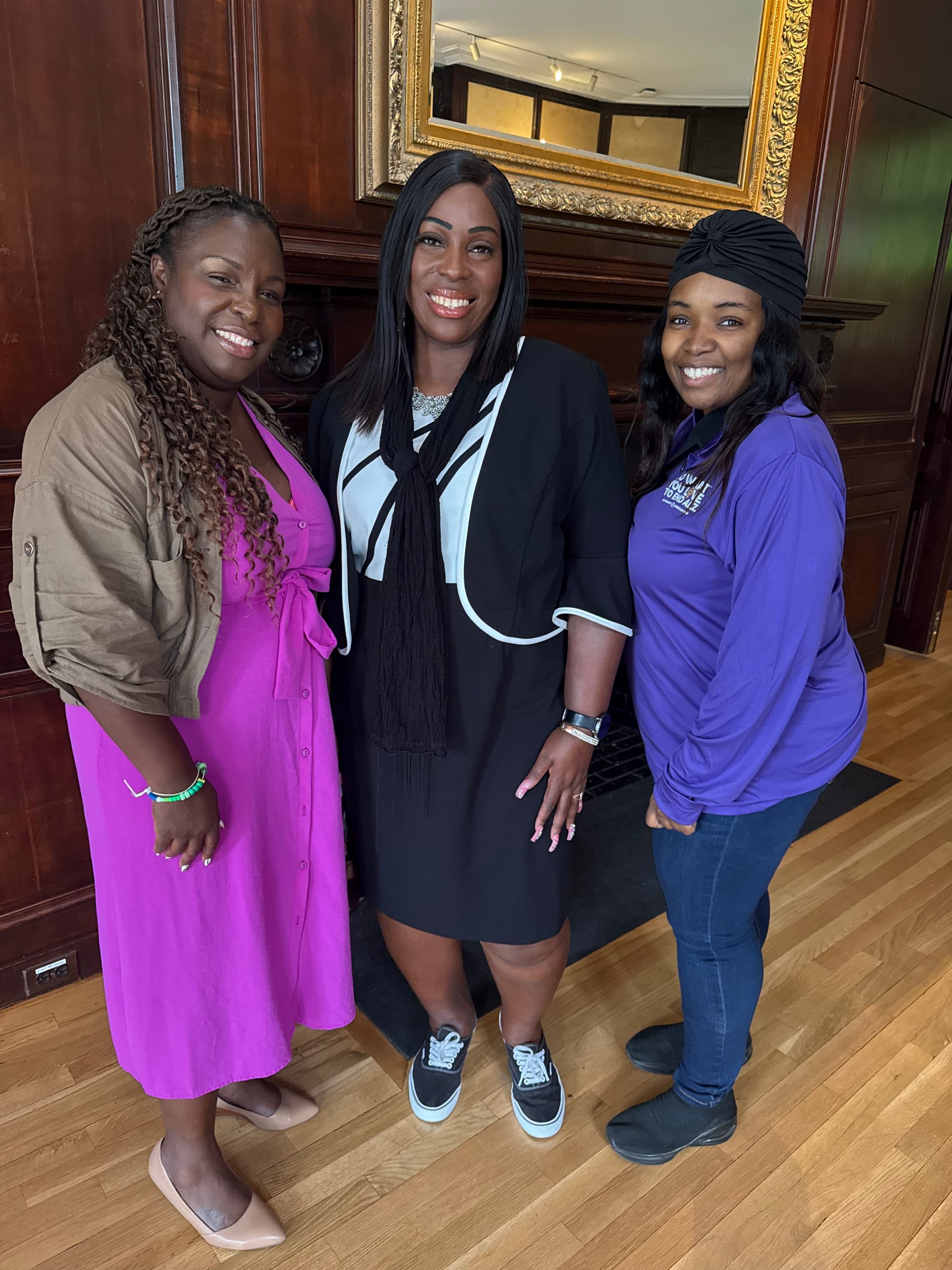
Caregivers are often family members and they can experience their own health challenges. Caregivers are going to need help. They're going to need financial assistance, physical assistance, and emotional assistance. B. Smith’s husband Dan Gasby shared his challenges very openly and was a very present care partner. It would be great if everyone had someone who could support them throughout the journey. It may be a spouse, trusted friend, or other family member.
Q: Danny Glover, a noted actor, recently publicly disclosed a diagnosis of Alzheimer’s disease.
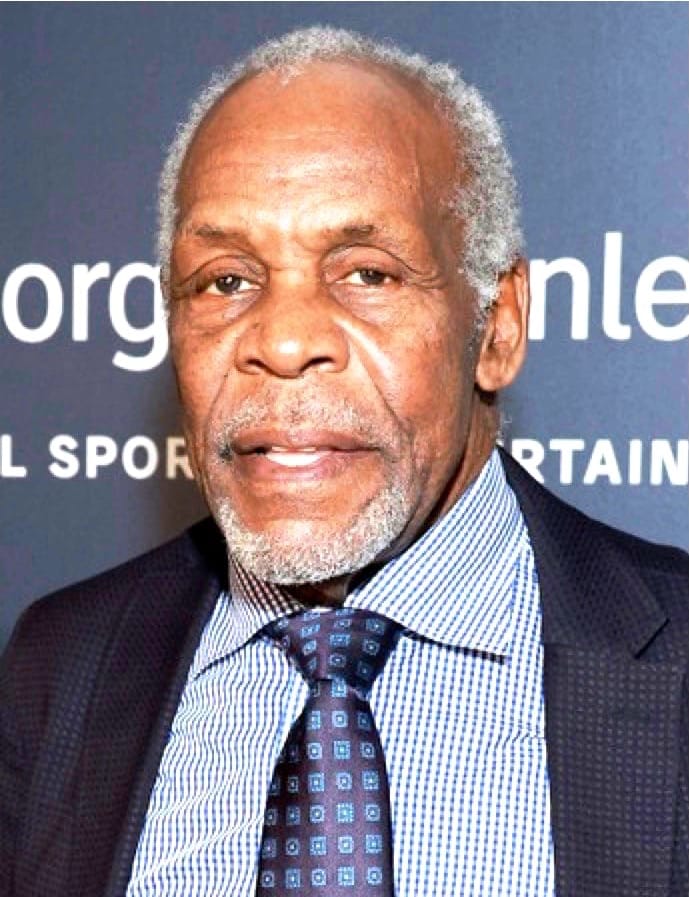
A: The more prominent figures who share their diagnosis, experiences, and [dementia] journey, hopefully can take the stigma away. Perhaps, other people can consider accessing care and addressing their own symptoms. As Danny Glover is going through this, he will assemble a care team, including providers and loved ones who can support him. By seeing this, then others may start considering talking to their doctors, friends, and families.
"Who do you have in your corner that's going to back you up? How many people can you call on that are going to rally and support you? We encourage celebrities, professionals, high-profile people to talk openly about this, because we know not enough people are getting diagnosed. Many do not understand the signs and symptoms."
About half of people living with dementia don't have a diagnosis. When celebrities talk about it, individuals can start asking questions about their own health. They start thinking about their symptoms, which may be ignored or thought of as normal. I think that's the biggest challenge we have, honestly, in the communities of color is lack of awareness. Another issue is that we may not have trusted providers who will take these concerns seriously.
Hoarding is one example of a warning sign–income doesn't matter. If a person has no identified care partner then Adult Protective Services may get involved. Again, that is regardless of income [or fame or any other factor]. When a person is about to lose their house or they haven't paid their bills, or it's like a hoarding situation and/or where there are safety issues involved. These are all common warning signs. That's when many start to look for help and support.
At this point, a person is often further along in the disease journey and it's difficult to plan. You are in crisis mode and it's hard to make clear decisions. You often have fewer options as well once an emergency or crisis happens. It's best to start talking and planning earlier. Let's figure it out when someone still has choices, is able to make decisions, and [can] speak on their own behalf. If a person has no one designated to make decisions, then their family can’t access financial resources, they may not be able to speak with their insurance company or medical providers. It makes care very difficult.
I think that by having high-profile people talk openly, before they're at a level of severe decline, that hopefully this helps people to see, you know what, I experienced that, I'm forgetting things, I'm having issues with taking care of myself. Hopefully that changes the face of what dementia looks like.
More people start asking those questions around, you know, what is normal aging? What is normal forgetfulness or what does it look like to need support versus depend on support? We can start asking different questions and hopefully get people diagnosed sooner.
Q: Can you speak to the issue of how many African-Americans are diagnosed with Alzheimer’s disease? Are there higher rates of Alzheimer’s or other forms of dementia among African-Diaspora individuals in the United States?
A: There are higher rates of dementia in communities of color. African-Americans are twice as likely and Latino-Americans are 1.5 times more likely to be diagnosed than whites. There is ongoing research to understand these disparities. We know there may be a connection to higher rates of diabetes and hypertension, both of which are associated with increased dementia risk. Those also connect to healthy habits like diet, exercise, and sleep. There are also social determinants of health, where people live, work, and play. There are issues around education, access to health care and healthier foods, stress, safe places to exercise or socialize, that also contribute to overall health. Factors such as air pollution have also been shown to play a role. For more information, take a look at the Black Americans and Alzheimer's information page.
This Q&A has been edited for length and clarity.
For more information on Health Nation’s related dementia-related coverage:
- Doris Phildor on caring for her aging immigrant mother in Brooklyn
- Biomarker test improves Alzheimer's diagnostic accuracy—should you or your loved one get screened?
Medical Disclaimer
All content available on and through Health Nation Media is for informational purposes only. Such content is not an endorsement of, or a substitute for, nor does it replace, professional medical or veterinary advice, diagnosis, or treatment. If you have any concerns or questions about your or others' health or the content available on or through Health Nation Media, consult with a healthcare professional. Do not disregard, avoid, or delay obtaining health-related advice from a healthcare professional because of content available on or through Health Nation Media. Use of Health Nation Media and reliance on any Health Nation Media information is solely at your own risk. For more details, see Health Nation Media's Terms of Use.