
Long-Form expert interview: Why understanding your child’s developmental age is key during the Halloween season and beyond
Language matters during difficult situations like Halloween trick-or-treating teary meltdowns. And believe it or not, clown phobia is actually quite common among young kids. Do tweens and teens really need to binge-watch intense Halloween screen-based content? Get insight from an expert.

Q: Can you please introduce yourself and tell me about your professional background?
A: My name is Dr. Stacy Doumas. I am a child and adolescent psychiatrist, as well as an adult psychiatrist. I am currently the Southern Regional Chair of Psychiatry at Hackensack Meridian Health, based out of Jersey Shore University Medical Center.
I've been practicing child psychiatry for about 20 years now. I've seen children with all types of concerns, children on the autism spectrum, anxiety, depression, attention deficit hyperactivity disorder (ADHD.)
Q: Can you speak about what parents should know about positive reinforcement and language when it comes to being scared at Halloween or in the days and weeks of the Halloween season?
A: I think that's a very important question. I think that the language we're going to want to use with children is going to really be dependent on their age, first of all, and their developmental level, especially if children have any type of neurodevelopmental difficulties or anything like that. We want to be cognizant when we're speaking to them. We want to use language that really validates any concerns or worries that we have, but also helps. The language parents should use should be appropriate for their age and their developmental abilities, their developmental age, as well as their chronological age.
Instead of saying something like, ‘Don’t be a baby’, we might want to say something like, 'That looks scary. I'll be here for you’. Shame doesn't make fear go away. It just teaches kids to stop telling you about it.
We want to build confidence and show that we have confidence in them. We're validating them. We’re letting them know that we're there, but also giving them the confidence to address the situation. Confidence is very important. Again, you just want to make sure that it's appropriate to their chronological and developmental age.

Q: What should you say to a child who is crying? Or let’s say your child is genuinely in pain or terrified by a Halloween situation. What if the parent doesn’t understand why the tears or extreme meltdown is happening?
A: These kinds of situations are much more common. There might be increased stimulation like this on Halloween, especially because there's lots of things going on that might not be the normal everyday experience for a child, whether that's the crowds, or how fast-paced everything's moving, or the scary costumes and decorations, and it's dark.
Providing empathy for it and then supporting them in whatever way you can. That might be giving them choices. It might mean giving them the choice, ‘Do you want to stand here while your sister goes to that house? And then we'll catch up at the next one? Or do you want to join your sister at that house?'
If they find that house to be scary for some reason, it might be giving them the choice of letting them know, 'Do you want me to hold your hand while you go up there?' Letting children know that they have choices, so that they have some degree of control in that situation. Providing them with support. Sometimes kids might be tired from walking, they might be overstimulated if they have sensory concerns. They might be tripping on their costumes. The noise might be bothering them. They might be tired or they might be hungry.
It might also be planning ahead for those types of situations. If you've got a younger child, maybe it's that we're only going to go to five houses or we're going to eat dinner first. We're going to go trick-or-treating while it's still light out. Really planning ahead, especially when you know your child and you know what's best for them.
Maybe, they're going to wear headphones, or they're going to wear a pajama-like costume, because they don't like all of the sensory parts with something that might be digging into their head with, or they're tripping on, or something. Planning ahead, reassuring kids as they go, but still encouraging them with that confidence to get out there and do it, have appropriate limits. A toddler's not going to walk around for six hours at night.
Q: So, you’re saying having a plan, having an age-appropriate abbreviated trick-or-treating schedule.
A: Yes.
Q: Do you think things are the same or worse when it comes to Halloween in terms of any kind of phobias, in terms of nervousness or anxiety? What's the cause? Is there some aspect of increased screen time that might be a factor?
A: I don't think I can give a definitive answer. We do know that rates of anxiety in children have been increasing. We also know that there's more children today than there used to be in the past who are diagnosed with neurodevelopmental disorders, such as autism spectrum disorders, who might be very sensitive to things like sensory concerns, excessive noise, or some difficulties with socialization. It might come down to things like difficulty with, being able to go up to a door and say trick-or-treat. So, there's a lot more children who might have difficulty in some of these social or overstimulating situations today, than there might have been in the past.
In addition to that, we do know that the use of screens, technology, video games, and social media has increased dramatically over the past several years. Some of it is known by parents what children are doing, and some of it is not necessarily known.
They might be watching a horror show at a younger age than their parents even realize, which might be making them a little bit more susceptible. Once children reach seven or eight, they usually know when something's fake. They usually understand that all of this Halloween stuff is generally fake. But when they've been scared by a horror movie, it might make some of those things a little bit more scary to them, even with the understanding that it's fake. Some of the video games they're playing, some of the pranks they might see on social media definitely might trigger a little bit more fear.
Normal fear can be fun for them. It can be exciting, but some of this stuff that they see online might be triggering things a little bit excessively.
Q: This is a pretty silly question, but in the DSM-5, there's no official Halloween phobia or anything like that, per my understanding, correct?
A: Yes.
Q: Some people talk about a clown phobia, but again is that a thing that mental health professionals are considering as an issue?
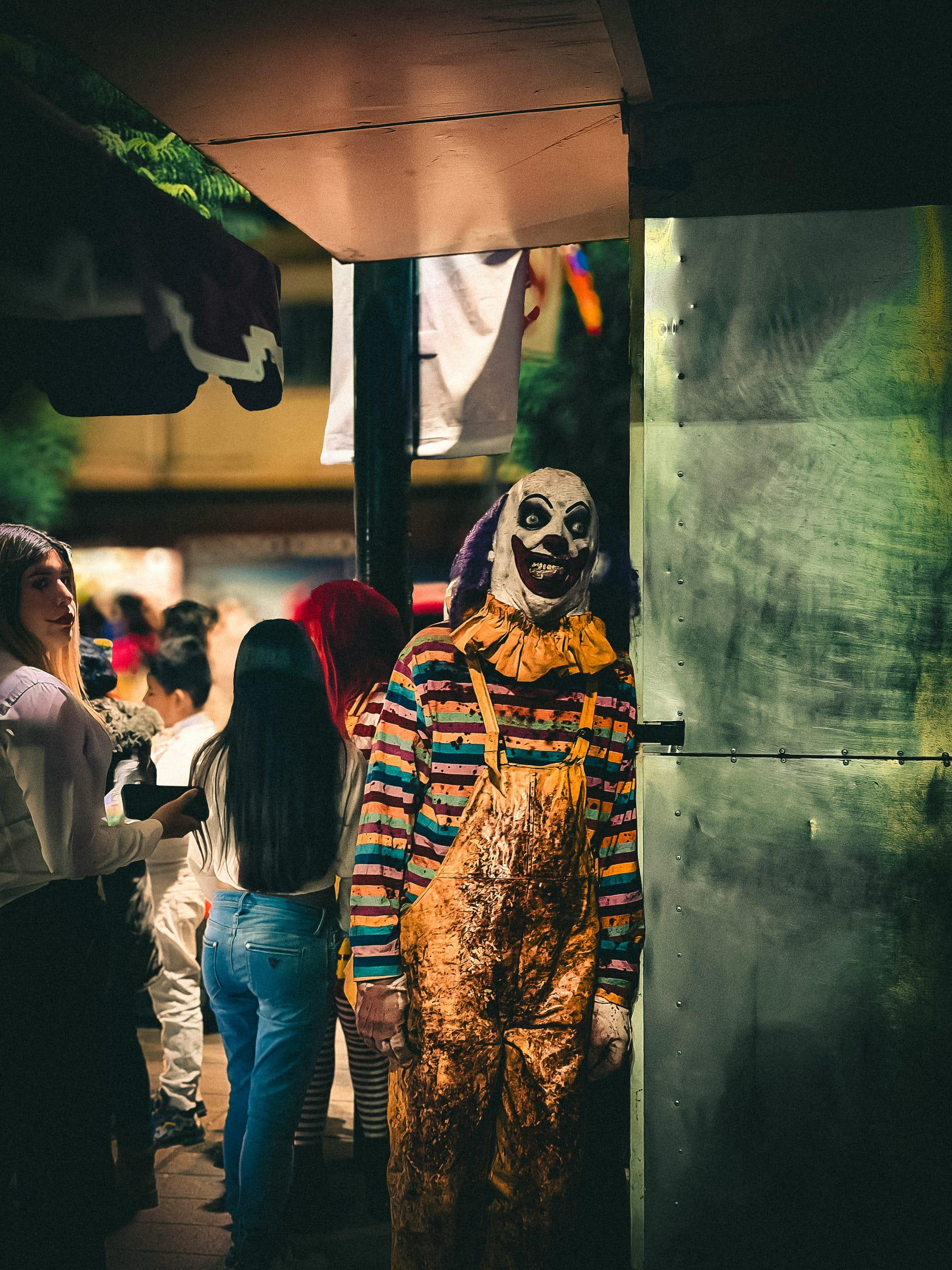
A: I was going to say yes! Many children do have a fear of masks or costume characters. If you've spent enough time around preschool children, you definitely see it. Some of them see one of the costume characters, if they're at Disney and they just break out crying and they are hiding in their parents' chest.
They usually age out of it after the preschool years. It's usually very much something that's associated with the preschool years. It's not something they should be forced to endure if truly afraid of it and have trouble understanding the reality of the situation. Remember, in those situations, if you're at Disney or someplace like that, nobody's taking off the mask. It's not like you're at home and the child is concerned about it. At home, you can just lift it up and show your child how it's fake.
In public, the costume characters aren't taken off. So, how you help the child deal with it by allowing them to move away and not forcing them to interact with the character. This can help them grow out of it and help decrease the fear in the future for them.
Q: Let’s talk about screens and very very children, and perhaps also older children. It can be very scary for a very young child or an anxious older child. You get a few seconds or a really gory scene and then it moves on to something else and then you get another really gory Halloween movie and then next and then something else and so on.
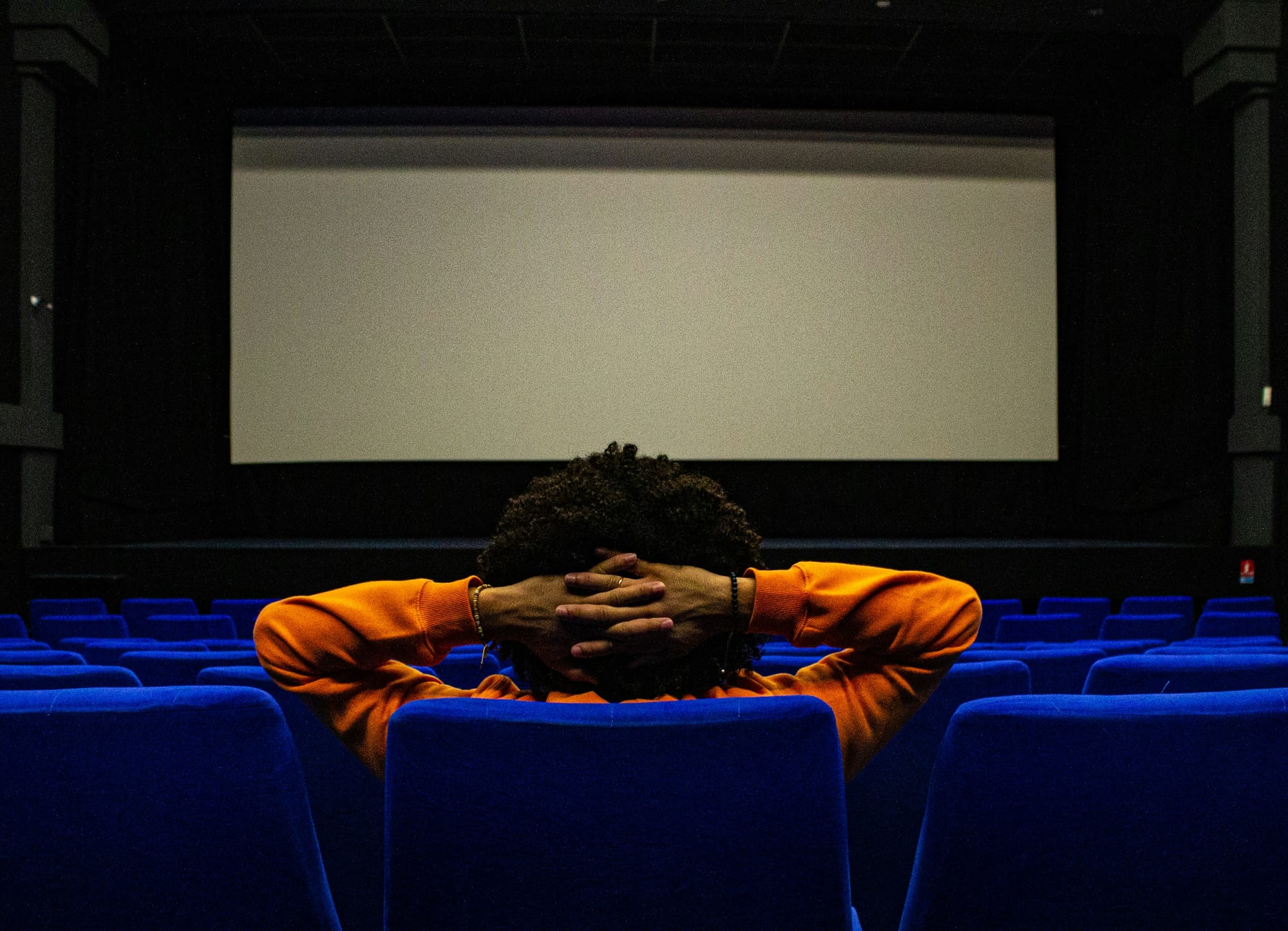
A: With our algorithms, once you focus on something for a little while, the algorithm's going to keep giving you more of the same. If you're looking at things that involve horror, or gore, or pranks, your algorithm is going to give you more of the same. It's going to keep exposing you to it.
Q: What do you say? What do you tell parents if their child might have seen something scary online?
A: If they have a child they think is more predisposed to this, more anxious, more sensitive. I would tell them to be careful what they're looking at, and try to monitor it. Sometimes we only find out about this as parents afterwards, after they've already seen the conent. I think it's really a matter of having an age-appropriate conversation about. Ask, well, what do you think about that?
Tell them, 'That was not real. That was a person in a mask. That was probably ketchup that they use for blood in a movie'. Really breaking it down for them. At the same time, that stuff can still stick with you, even if you know it’s not real. There may be an emotional reaction.
Really breaking it down for your child. Help them understand the reality of the situation in an age-appropriate way. Then try to avoid other things that are going to trigger it, especially if you've got an anxious kid.
Q: At what age does a child understand between real and make believe?
A: Between the ages of 5 to 7. Most children can understand real versus pretend. If you seen someone with a mask on, most children would be able to say, 'I know that that's a costume character. I know that that's someone wearing a mask.' On the other hand, if you said, 'Hey, that's a monster in a box over there', they might not want to go near that box. They know there is not a real monster in that box, but your child might still have some anxiety and fear about it, even though they can tell the difference. As they get a little bit older, more from ages 7 to 9, they can definitely really distinguish the difference between distinguishing between reality and something that is fake.
When you get into the teenage years, if you were watching a movie with them, Of course, yes, they'd be able to say, 'Okay, I know that's fake blood, I know that person's not really getting stabbed, I know that'. But it still has that emotional, visceral reaction. It's the same way when, even as an adult, if you go through a haunted house. You still can get scared, even though you know it is completely fake. That can happen kind of at any point.

For some of us its fun, some of us enjoy that, we can do that in a way that's healthy and not traumatizing. But for others, especially if we're a little bit more anxious, sensitive, or something like that, it can definitely lead to an actual reaction where we are thinking about it. If it is impairing sleep or it makes us more scared of other things. It translates into not just that horror movie you watched before, but now it becomes a situation where you're thinking, 'I don't want to be home alone' or 'That house looks scary to me now and I cannot walk by it in the dark anymore'. So that fear can carry over into some other things. When it comes to unexpected trauma and grief, we don't often think about it, but faux tombstones and skeletons can be incredibly painful for a child mourning a recent loss. Similarly, fake blood, weapons, and hospital costumes can deeply trigger kids who have survived real-life accidents or scary medical procedures.
Let the child set the pace, and never force a haunted house or a jump scare 'for fun.' I saw this with my own five kids. When they were younger, some didn't like to wear complicated costumes, some got worn out from walking too long, and some didn't like people in scary costumes. It's normal for kids in the same family to react very differently.
Q: How can you prepare your young or special needs child for Halloween?
A: I think that the best thing parents can do, especially with younger children or with children who might have some neurodivergence, is preparation, preparation, preparation. Preparation is better than reassurance after the fact. There's a lot of different ways that parents can prepare.
First of all, talking to their child about it, and talking about what the plan is going to be for Halloween. Say, this is where we are going to trick or treat. Show them how masks work. Say, Hey look, this is me with a mask on. 'Look, if I take it off, it’s me again'. Help children who might be a little bit younger understand better that these are regular people underneath the mask. Remind them, 'This is just our neighbor, he’s going to be dressed up later on'.
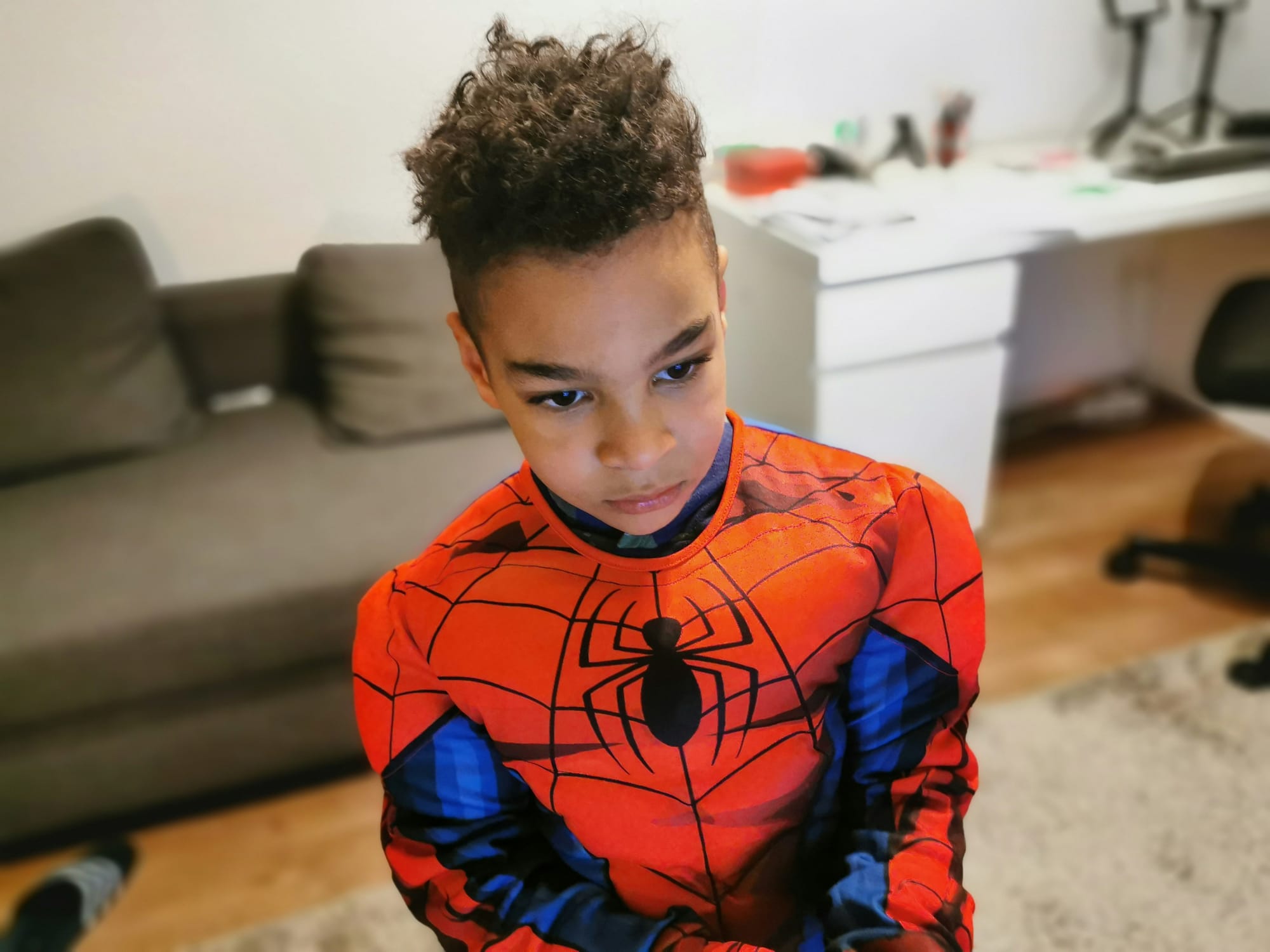
Another way of preparing is letting children is them choose their own costume that they feel comfortable in. Practice wearing it ahead of time, so they're not uncomfortable. Let them choose which houses they're going to go to.
It really allows you to really have that strong plan in place. If you don't think that they're going to be able to trick or treating or do the traditional Halloween activities, there's plenty of other things you can do. You could have your kids trick or treat at a mall instead of outside where it might be a little bit quieter or not dark out. You can have them do a trunk or treat. There's lots of things like that around town, or maybe go to a library or other places that might have trick or treating-themed decorations. There's lots of other ways that you can celebrate Halloween.
Q: For older kids, how do you handle anxiety, strong emotions or worries about peers during the Halloween season? Let’s say your tween or teen tells you, 'I'm feeling really anxious about my costume,' or 'I’m worried about what to do during the Halloween party'. How do you approach that situation?
A: Again, planning is important. If you know that they would do better with a friend, make sure you make plans ahead of time so you can go with the friend. And I think up to at least age 12, the parents should be there in person to address any of those in-the-moment concerns. There are definitely situations with older children, if the area calls for it or if there is an event that needs to be chaperoned. Making sure they're trick-or-treating with someone they feel comfortable with if it's not you. That can help with a lot of that anxiety, Do not push children to do something they are not comfortable with.
Let’s say there is an extreme reaction. If you're in your own neighborhood, or if you're near your home. Tell your child, 'Let's take a step back, let's go in the house for a few minutes or let’s drive home. Let’s take off the mask, and let's regroup for a few minutes, and then we can decide what we're going to do'.
I remember with my kids, sometimes there would be tears, and then you'd figure out what happened. His friend just ditched him there, her friends want to do something else. Sometimes it’s okay to say, let's breathe a minute. Let’s decide where we're going next.
There's just lots of different ways of doing anything. There's no perfect, or right way. It's about validating that your kids are in distress at that time and providing them with support so they can continue to move forward to get to the point where the emotions aren't felt as strongly. If they continue to always have those strong emotions, that is when children might need some sort of therapy. In this situation, always try to help them gain some perspective into that, the situation might not really be as catastrophic as they might think it is at the moment.
Q: Do you think children should wear scary Halloween screen content again they say they enjoy again and again and again?
A: Personally, no, but that's just a personal opinion. I think that we should really be careful that we're making sure children are watching age-appropriate shows. If something is PG or PG-13, I think we should be monitoring and making sure that the child is at the right age or developmental age to be watching it. If they seem susceptible to being really scared, and they're doing this to just keep re-traumatizing themselves, then no, they shouldn't be watching it. Whereas, if they really, truly are finding joy in it, that's a different story.
I do not think we should be exposing younger children to things that could be traumatic to them in a scary way. It's just completely unnecessary.
Q: To summarize, what are some of the main things that you want parents to know when it comes to supporting their children in enjoying the Halloween holiday season (and possibly enjoying themselves as parents during the October trick-or-treating season as well).
I think that we really need to just think of all of this in a very organic process and to consider ways your child may need support. If children have food allergies, now they have the teal [colored] buckets. There are a lot of places that do all these trunk-or-treating events now. They do [Halloween] parties where it's not candy-oriented, so consider all of your options.
If you do have a child that's either young or overly worried or on the autism spectrum, neurodivergent, and maybe, who has some sensory needs, as a parent just be very creative [during Halloween]. There's lots of different ways to enjoy the holiday, so kids can have fun.
This Q&A has been edited for length and clarity.
For more Halloween articles and interviews:
- When Halloween is not fun: Tips for parents when their children have a hard time celebrating the spooky season
- Q & A with Dr. Raman Marwaha, child and adolescent psychiatrist, on how to talk to kids who are nervous about Halloween
Medical Disclaimer
All content available on and through Health Nation Media is for informational purposes only. Such content is not an endorsement of, or a substitute for, nor does it replace, professional medical or veterinary advice, diagnosis, or treatment. If you have any concerns or questions about your or others' health or the content available on or through Health Nation Media, consult with a healthcare professional. Do not disregard, avoid, or delay obtaining health-related advice from a healthcare professional because of content available on or through Health Nation Media. Use of Health Nation Media and reliance on any Health Nation Media information is solely at your own risk. For more details, see Health Nation Media's Terms of Use.