
Q & A with Dr. Raman Marwaha, child and adolescent psychiatrist, on how to talk to kids who are nervous about Halloween
Dr. Raman Marwaha is a child and adolescent psychiatrist who is the chair of psychiatry and behavioral health at Hackensack Meridian Raritan Bay Medical Center and Old Bridge Medical Center in N.J.

Q: Can you please introduce yourself and tell me a little bit about your professional experience working with children and adolescents?
A: I’m a child and adolescent psychiatrist. I'm also the chair of psychiatry and behavioral health at Hackensack Meridian Raritan Bay Medical Center and Old Bridge Medical Center. Most of my professional career has been working in an academic setting where I've helped train the next generation of psychiatrists–our mental health, behavioral health workforce. Now, at Hackensack Meridian, I focus on children's mental health, and we provide access to care working with families from diverse backgrounds.
Q: Tell me more about why you have a professional interest in kids who may have a hard time participating in Halloween activities like trick-or-treating and the like?
A: Halloween we all know is fun. It's a fun festive holiday. It's one of the holidays where everybody associates it with fun. I have two kids at home. The kids that I see in my practice or that I've seen in the past, sometimes think Halloween is a fun holiday. Other times it can be frightening or overwhelming for some children. I think that's important to talk about how every child is different. Halloween is fun for some kids. But it is not fun for other kids.
Children are developing what we call their cognitive abilities. We know that this area in our brain, which is called the prefrontal cortex, is developing untill the age of 21. It is still being formed.
Kids are going through these different age-appropriate development stages. Different kids may react differently to scary stuff, which is out of their control. Halloween is about surprise.There are expectations and norms about this going to happen next.
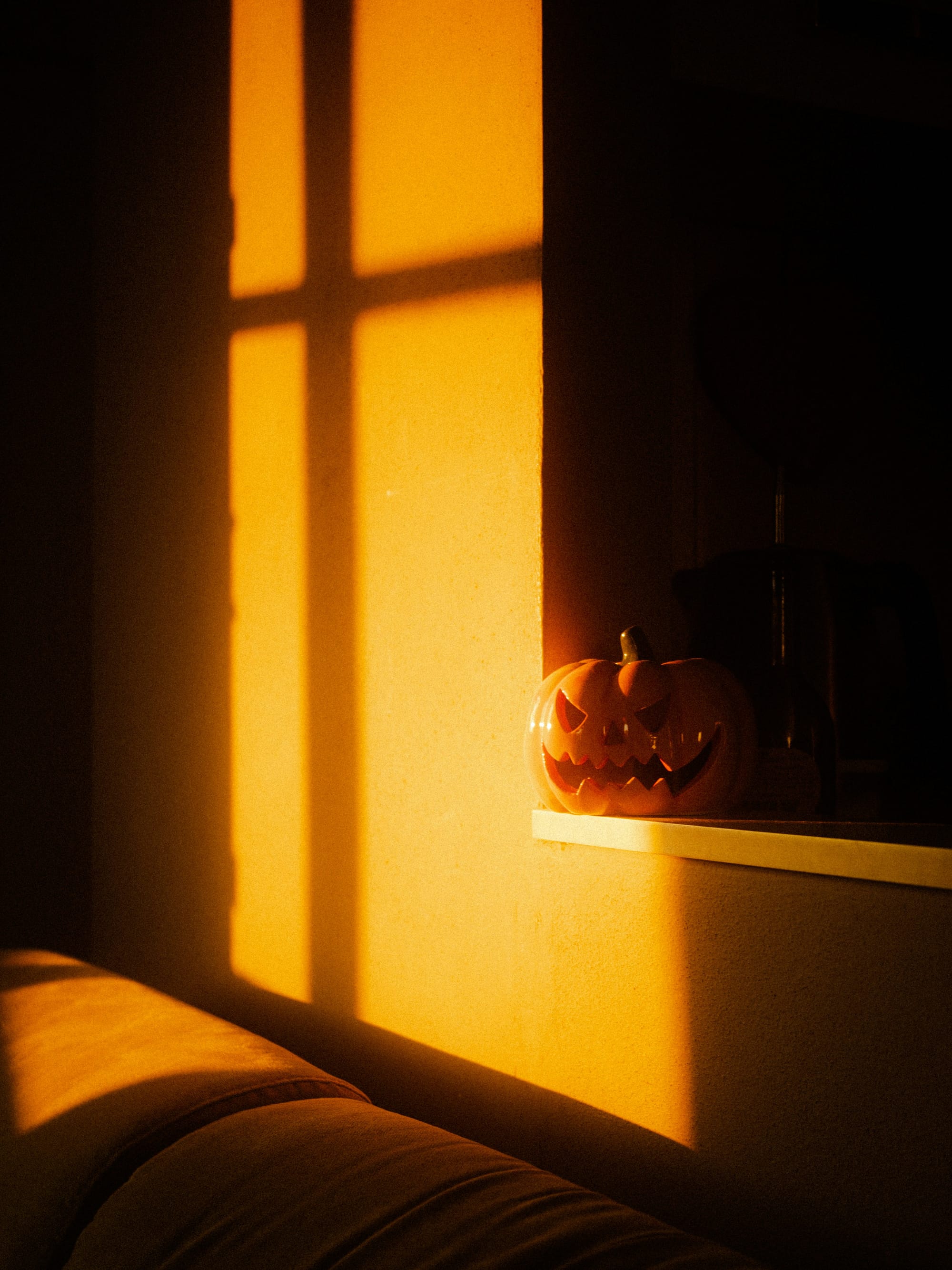
The holiday taps directly into developmentally normal fears—preschoolers are wired to fear supernatural and 'monstrous' figures—so what looks like 'just fun' to one child can feel genuinely threatening to another.
For some kids, that process can make them anxious. If there's a child with Attention Deficit Hyperactivity Disorder (ADHD) or for some children who have autism, kids with sensory issues, their understanding of certain things may be different from other kids. They may have a different reaction. It's really important to talk about this and understand that every child is different. Every kid is unique.

Q: Can you give me some specific examples?
A: If somebody has anxiety [about how to handle a scary situation], you may even be in middle school or later on. These situations might trigger your fight or flight response, compared to other kids. If somebody is prone to getting anxious or somebody has certain sensory kinds of sensitivities as well, especially with noises and with sounds, with costumes, it may kind of trigger other things, even if they are 10-years-old, 12-years-old, or 16-years-old.
Q: When should a parent seek out help from a child psychiatrist when it comes to Halloween fear, Halloween anxiety and/or Halloween-related issues?
A: There’s age-appropriate things that can make anybody scared. If there are things that are happening which are persistent or which are really intense. The important thing is you may need to seek help. Let’s say you see a scary Halloween movie, and then you have a nightmare. Maybe you have a nightmare for that night or maybe the next night as well. But if there is a situation which is persistent, meaning keeps on going on, or is so intense that it's causing problems, it's causing a lot of distress, and interfering with your functioning, with things that you need to do in your daily life. That's an issue where you should get help for your child.
Ask yourself, are these feelings or issues interfering with the kids going to school, being able to interact with their peers, able to do other things?
Parents should ask themselves:
- Is their child persistently irritable or sad?
- Is their child excessively worrying?
- Are they withdrawing from your family or friends?
- Are they avoiding new things or avoiding going to school or other activities?
- Are their feelings or fear causing distress in their life?
These things are really important for parents to ask themselves when deciding to make an appointment.
Q: This year, Halloween is going to fall on a Saturday. What are your thoughts on an abbreviated trick-or-treating schedule, especially for younger kids?
A: An abbreviated trick-or-treating schedule could be for younger kids. It could also be for teenagers. I've sometimes actually seen some teenagers who don't want to do trick or treating or go to a Halloween party, but they feel the social pressure, the peer pressure that everybody is going out. So, they think, well I have to be part of this as well.
I think it's very important to make sure to make your child feels comfortable. That you’re listening to what they want to do. It’s completely okay to be back by 6:30 p.m. or whatever time. Let’s say you’ve just started and you do one lane or three houses, and that's completely okay. There are kids who do want to completely do [Halloween]. We should normalize that it's okay to not participate in the full way or in an abbreviated way.
Different kids are different. Every kid is unique.
This Q&A has been edited for length and clarity.
For more Halloween articles and interviews:
- When Halloween is not fun: Tips for parents when their children have a hard time celebrating the spooky season
- Long-Form expert interview: Why understanding your child’s developmental age is key during the Halloween season and beyond
Dr. Raman Marwaha, M.D., is the chair of the Department of Psychiatry and Behavioral Health at Hackensack Meridian Raritan Bay Medical Center and Old Bridge Medical Center. As a board-certified child and adolescent psychiatrist, Dr. Marwaha believes in addressing the unique behavioral health needs of children and empowering families through compassionate, evidence-based care.
Medical Disclaimer
All content available on and through Health Nation Media is for informational purposes only. Such content is not an endorsement of, or a substitute for, nor does it replace, professional medical or veterinary advice, diagnosis, or treatment. If you have any concerns or questions about your or others' health or the content available on or through Health Nation Media, consult with a healthcare professional. Do not disregard, avoid, or delay obtaining health-related advice from a healthcare professional because of content available on or through Health Nation Media. Use of Health Nation Media and reliance on any Health Nation Media information is solely at your own risk. For more details, see Health Nation Media's Terms of Use.