
When Halloween is not fun: Tips for parents when their children have a hard time celebrating the spooky season
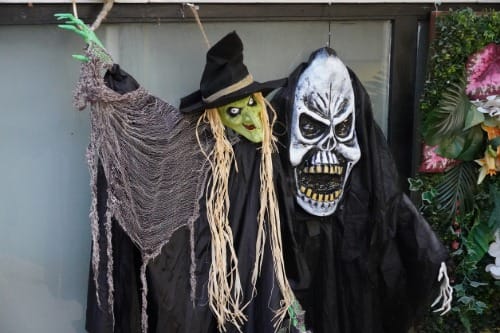
When there are macabre haunted house attractions, trick-or-treating costumes with scary masks or fake blood, or Halloween decorations with amplified sounds and creepy lighting, it’s no wonder the annual holiday can be stress-inducing for kids of all ages.

Stores are putting out Halloween costumes and decorations earlier and earlier every year. Countless American residents spend hundreds of dollars on Halloween costumes, clothing and accessories, outdoor and indoor Halloween decorations, candy and parties and events, all in preparation for the holiday. Halloween is estimated to be a more than $3 billion dollar industry. But despite all of the hoopla, Halloween may not be everyone’s favorite holiday.
For young children and older children with special needs—including those who have a diagnosis of autism, attention deficit disorder (ADD), attention deficit hyperactivity disorder (ADHD), sensory processing disorder, anxiety disorder, past trauma, or other issues—Halloween and the weeks preceding the holiday can be a lot.
While most children may be incredibly excited about Halloween, there are many who may be nervous about some aspect of the trick-or-treating season.
Whether it’s a toddler going on their first trick-or-treating adventure with their parents or a group of tweens or teens who are planning a Halloween horror movie marathon sleepover or who are nervous about trick-or-treating alone on dark streets, what is often missing is communication or preparation, mental health experts say.
How can parents prepare their young kids for Halloween?
The first step of planning what Halloween celebrations will look like for your family is figuring out what is age-appropriate for your child.
“Prepare, prepare, prepare,” said Dr. Stacy Doumas, M.D., a psychiatrist who works with children, adolescents, and adults. Doumas is the Southern Regional Chair of Psychiatry at Hackensack Meridian Health, based out of Jersey Shore University Medical Center.

“I think that Halloween is important because it’s a time of so much fun and excitement. There’s such build-up ahead of time for a lot of kids. But with that, sometimes there’s socialization issues … and fears of ‘what is that’ in those costumes. … It’s a time that can put a lot of pressure on them and make it a little bit more difficult for them to enjoy. I think it’s important to talk about it, so they can enjoy it as much as they can, especially for children who might have difficulties with either anxiety or sensory overstimulation or social difficulties.”
How age or stage impact your child’s understanding of what Halloween is all about
Experts say when it comes to younger kids and kids with special needs, it’s important to have affirming conversations during Halloween and introduce Halloween in an age-appropriate way.
“The biggest thing is being proactive rather than reactive,” said Dr. Raman Marwaha, M.D., the chair of psychiatry and behavioral health at Hackensack Meridian Raritan Bay Medical Center and Old Bridge Medical Center. “Make sure that you're having discussions with your children about what Halloween is about, what does this holiday mean? It could be as simple as just reading a book to them about Halloween, maybe seeing something age-appropriate about Halloween together with your child before Halloween night.”

According to Marwaha, “It’s very important to understand that different kids are at different kinds of neurodevelopmental stages of understanding of what’s real and what is fantasy. We know that usually, for a lot of preschoolers, roughly ages three to five or even up to age six or seven … children are still forming these abilities to understand what’s pretend and what’s real,” said Marwaha, who is the parent of two young children.
Parents of preschoolers or younger children should plan for abbreviated trick-or-treat schedules, making Halloween enjoyable for shy, nervous kids or kids with other special needs. Marwaha said to never push your child to do too much or go beyond their limits on Halloween (or any holiday for that matter).
Social stories might be one way to navigate Halloween
Marwaha advises using the social story model to talk to your young child or children in the days before, and on, Halloween.
“A social story is a simple [verbal] explanation of a situation, and it can be paired with different things. It could be paired with pictures, it could just be a story, or it could go both ways,” said Marwaha. He provided an example of a social story narrative: “This is your Halloween adventure. On Halloween, I’m going to be wearing a costume. This is what my costume is going to look like. I will see other people dressed up as ghosts or as monsters. There may be all kinds of lights and sounds which may surprise me, which may come out of the blue.”
Marwaha said continuing to narrate or talk your way through situations, as needed, is great for the social story format.
“It’s okay if I hold my parents’ or my older siblings’ hand when I’m going out. I can stay close to the person that I feel comfortable with. If something scares me, it’s okay to say, ‘I need a break’ or ‘I need to go back [home].’ You, the parent, can have this social story prepped up in advance, but you can do it in the moment as well," Marwaha said. “Maybe you can have some keywords or make a sign or drawing together to take with you during trick-or-treating or another Halloween event. Teach your child to know their limits. Your child can say, ‘I do not have to do everything. I can enjoy Halloween in my own way.’”
If your child sees a decorated Halloween house at night that seems really scary to them, you can say, 'Oh, remember, we walked past this house earlier today. Remember how the house looked in the daytime?' Or parents can think ahead: “Look, this next house is a familiar one for you. This is near where your school is.” Mention something that reminds them of a known location or daytime memory.
“Keep it simple so they understand. It’s not too complicated, and there can be transitions. Let’s say something is scaring your child in the moment. Tell them, ‘Okay, we will be going to the next house now. We're going to miss this one. We'll go to the next house, which looks a little better [as a trick-or-treating option]’", he said.
Ways parents can help kids feel more confident during the Halloween season
Ideally, Halloween should not be stressful for either the child or the parent. If a young or special needs child is having a difficult trick-or-treating moment, language matters, Doumas said.
“Instead of saying something like, ‘Don’t be a baby,’ we might want to say something like, ‘That looks scary. I’ll be here for you,’” she said. "Shame doesn't make fear go away. It just teaches kids to stop telling you about it," Doumas said.
“We want to build confidence and show that we have confidence in them. We're validating them. We’re letting them know that we’re there, but also giving them the confidence to address the situation. Confidence is very important. You want to make sure that it’s appropriate to the chronological and developmental age", she said.
Preparation is key. If your family is composed of a few children at different stages and contrasting levels of Halloween interest, make a tailored plan for different Halloween experiences. It may take some juggling and family caregiver scheduling prep, for example, if one Halloween enthusiast child wants to have one plan and another more Halloween-ambivalent child has a different trick-or-treating expectation.
In Doumas’ experience as the mother of five children who enjoyed celebrating Halloween and trick-or-treating when they were younger, the holiday is all about managing expectations and juggling what different children may say they want to do.
“During Halloween, children may say, ‘I want this, I want that, I want to go here, I want to go there.’ I tell them we can’t be in this many places at once,” Doumas said.
As most parents know, pre-arranged peer plans may fall through. “If you have a school-aged child who is looking for their friend or classmate to co-trick-or-treat with and the other parent is nowhere to be found, listen to your child and then talk to your child in the moment to set expectations about the next phase or plan B for trick-or-treating or the Halloween party”, said Doumas.
Here are some things Doumas recommends doing to help your young children prepare for Halloween:
- Talk to your younger child about what Halloween is by reading an age- appropriate story.
- Have a plan for Halloween timing and go over family rules and safety tips.
- Have age-appropriate expectations. A young child may only want to trick-or-treat at a few houses and then go home. A toddler should not be expected to trick-or-treat for five or six hours.
- If your child does not want to approach a certain house or feels nervous about a scary costumed passerby, let your child move away. Give them a chance to request a break to decompress or gather their thoughts.
- Adapt to situations. A shy child may want to hold up a sign they made at each house that says “Trick-or-Treat” instead of saying the words out loud.
- Check in during trick-or-treating to see if your child is having fun or needs a break.
- Listen to your child’s concerns.
- Validate your child’s fears or worries in the moment, especially if something is not happening as planned or previously discussed.
- For older children, talk about expectations for Halloween and family safety rules.
- If an older child has had previous strong emotions or triggers associated with Halloween, remind them you are there to talk through when and if to pull the plug on Halloween events or trick-or-treating.

When to get professional help
“When a toddler’s afraid of a costumed character, that is not when we need to get help. That’s a pretty normal developmental phase for them,” said Doumas.
“But if you do have a child, especially an older child, who has significant anxiety or mood symptoms like irritability, sadness, depression, being down a lot, and if these issues are leading to impairment, that’s the time to consider getting professional mental health help.”
Marwaha echoed Doumas about being proactive about getting mental health support if you feel your child is not doing well regardless of whether it is the Halloween season or not.
The child psychiatrist said if a child is having difficulties going to school, participating in classes, engaging in extracurricular activities, or if they are not able to function as they previously did, it’s time to make an appointment with your pediatrician, and, if necessary, get a referral for a child mental health expert.
“Children with special needs may have an exacerbated response. For example, if a child with a neurotypical brain sees a house which somebody dressed up as a ghost, they’ll be able process it. They know everything is okay. This is fantasy, not real. But for somebody with a different processing or sensory processing issue, it will go to their midbrain, which will trigger that fight-or-flight response. They’ll get scared about it more than other kids, perhaps bringing it up repeatedly after the fact,” Marwaha said.
If your child has special needs, past trauma, or other concerns, let them have agency on how or if they celebrate Halloween.
Issues may manifest at any time. The strong emotions could be about Halloween or perhaps not directly connected to the holiday. The bottom line, according to Marwaha, is anytime your child is showing a pattern of strong emotional reactions on a broader level, talking about general fears, anxiety, depression, extreme anger, social worries, or other issues, you should consider making that call to schedule an appointment.
And anytime there are emergency situations, immediate action is essential.
“If they are getting to the point of feeling suicidal or doing something dangerous to themselves, you have to get emergency help as soon as possible,” stressed Doumas.
Halloween and screen time
Young children may not be ready for certain Halloween horror movies or even short screen clips marketed for children, tweens, or teens like Tim Burton’s The Nightmare Before Christmas or the television series Stranger Things. It may take a young child a lot of time to figure out if a truly gory Halloween scene they see on a screen for a few moments is real or not. Sometimes, intense, screen-based Halloween content that a parent is watching for nostalgia may intrude on children’s sleep and peace of mind for a longer time period than a parent might expect.
“We should be monitoring and making sure that the child is at the right age, or developmental age, to be watching the Halloween content. If they seem susceptible to being really scared, and they’re watching and/or rewatching scary movie clips or content, it is possible they may keep re-traumatizing themselves. If that is the case, then no, they shouldn’t be watching it. Whereas, if they really, truly are finding joy in it, that’s a different story,” said Doumas.
Experts say to watch Halloween content together, pre-screening beforehand as necessary. Monitor what your child is watching on their own, including short screen clips that come up via social media algorithms. It’s recommended that parents watch Halloween television specials together, like It’s The Great Pumpkin Charlie Brown or PBS Kids Halloween episodes for kids. Parents should avoid pressuring children who enjoy G-rated or PG-rated Halloween-themed shows or movies to move on to “real” Halloween adult movies. If a child enjoys the tradition of watching a non-scary Halloween movie or television episode meant for young kids, there’s usually no harm in letting them rewatch known content.
For older children, start conversations about if they liked a new Halloween movie or television series or not and if they want to continue watching similar content in the future. Experts say to give your child the freedom to talk about what happened in the movie or television episode and how watching a scary or intense scene made them feel.
For film buff tweens, teens, and parents, this is a great opportunity to talk about the horror movie industry or common themes that pop up in classic Halloween and/or scary movies, and unpack the cinematography, special effects, whether or not the movie aged well or not. Parents can also talk about the film lore or do some research and talk with their child about whether the film was inspired by true events or was complete fiction.
Checking in with your child so they are comfortable watching age-appropriate content and not being constantly exposed to unexpected scary shows or clips is the way to go, both Doumas and Marwaha affirm. Share with your kids if you decided to cut back on your own scary movie content or if a certain movie gave you nightmares when you were their age. The key is to give tweens and teens agency, while supporting them if any issues crop up.
At the end of the day, the goal for parents who are taking their children trick-or-treating and celebrating the Halloween season at parties or events is to have a safe, happy, affirming experience.
For more Health News Halloween interviews:
- Q & A with Dr. Raman Marwaha, child and adolescent psychiatrist, on how to talk to kids who are nervous about Halloween
- Long-Form expert interview: Why understanding your child’s developmental age is key during the Halloween season and beyond
Medical Disclaimer
All content available on and through Health Nation Media is for informational purposes only. Such content is not an endorsement of, or a substitute for, nor does it replace, professional medical or veterinary advice, diagnosis, or treatment. If you have any concerns or questions about your or others' health or the content available on or through Health Nation Media, consult with a healthcare professional. Do not disregard, avoid, or delay obtaining health-related advice from a healthcare professional because of content available on or through Health Nation Media. Use of Health Nation Media and reliance on any Health Nation Media information is solely at your own risk. For more details, see Health Nation Media's Terms of Use.