
Q&A with Doris Phildor, public health expert, on potential benefits for biomarker test
Early screening is key, according to a Alzheimer's Association public health expert. The blood biomarker screening for Alzheimer's may have benefits, so speak with your doctor if the test is the right option for you.
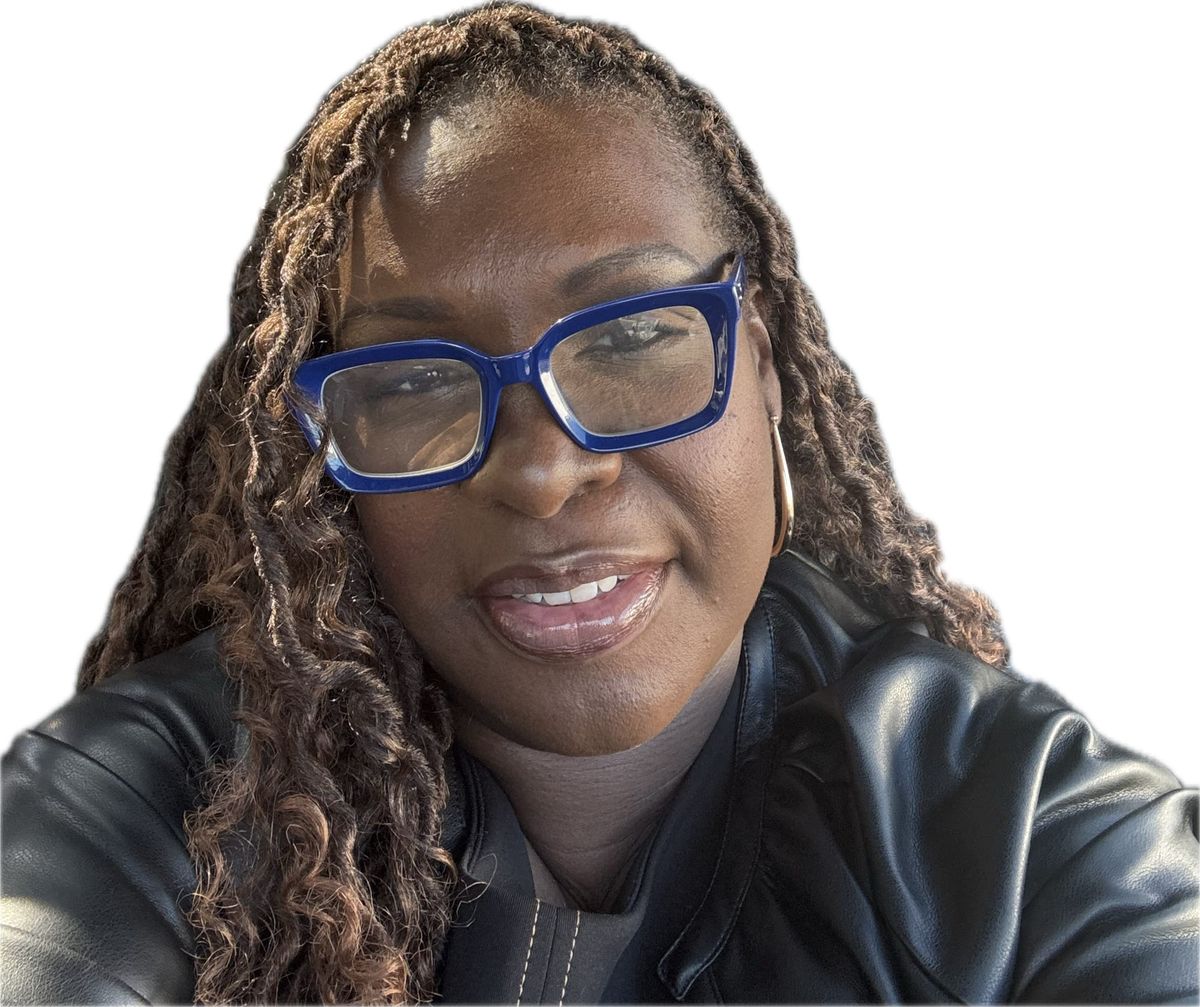
Q: Tell me more about your work with The Alzheimer’s Association.
A: I am a Health Systems Director with the Alzheimer’s Association. My focus is connecting with systems across New York and New Jersey.
For many of us at the organization, there's an intersection. A lot of us have a personal connection that relates to our work at the Alzheimer’s Association. As a society, we tend to only talk about those things when it's time to talk about it. I think it's the way people just function. I'm going to deal with it when it's here. So, if it's not here, I don't want to think about life insurance. I don't want to think about power of attorney. I don't want to think about that stuff. We don't talk about these things as they may bring up a lot of emotions like fear and confusion.
We want to [also] be proactive with our health. We're going to have to talk about these things, either within our own family, and also within the context of the greater community. I think it's such a layered issue. There's so many subtopics. You talk about care, then you talk about planning for the future. Who do you count on? Where do you want to live? How do you want to make these tough decisions?
Q. What is your advice when it comes to biomarker blood testing? Any special considerations to factor in?
On the health side, we want people to know what is happening in your body. If there is a way to get care earlier, these blood tests provide insight as to what could possibly be happening or not happening in your body before you experience symptoms. There's a benefit. Similar to diabetes or heart disease there are tests that provide insight and help us say, ‘Wait, I need to eat differently’ or exercise or take this medication so I can mitigate what these tests are showing. There are always pros and cons to any lifestyle change. People have to have full information so they can make decisions. I think that's the biggest issue.
Like with any new science or discovery, we're still learning. There's always other factors that you didn't think about that would come into play. We want everyone to know as much as possible, so we can make sure that the message is being shared in multiple ways and in multiple venues so then people can make the decision that makes the most sense for them.
At the end of the day, the decision should be between the individual and their health care provider. It's about gathering clear information to make the decision that's going to make the most sense for you and your loved ones.
Q. What if an individual has a family history of Alzheimer's, but they personally don’t feel like they have symptoms. Should they consider getting the biomarker test and pay out of pocket?
A: They should consult with their doctor. The current recommendation is not to get blood tests if you are not experiencing any symptoms. Instead, people should be thinking about the other risk factors they can control outside of the blood test.
There's a lot of research now about dementia risk reduction. The blood tests can tell you if you have the presence of amyloid plaque or tau [a protein primarily found inside of neurons.] These two proteins are hallmarks of Alzheimer’s disease. The blood test can give you some information, but it doesn't predict the future. It doesn't tell you automatically, this is going to happen.
While Alzheimer’s disease is the most common form of dementia. However, there are other forms of dementia that can be caused by other factors. I have a friend who shared that her mother had a brain aneurysm, and she never fully recovered. She later developed vascular dementia.
The [biomarker] blood test, again, will screen you for proteins associated with changes in the brain seen in Alzheimer's disease. It will not tell you if you definitively have Alzheimer’s disease or address factors related to other causes of dementia. Again, the blood biomarker test is giving us some information. It is not an automatic diagnosis.
Q: Is there anything you can do to lower your risk of different forms of dementia including Alzheimer’s?
A: Good sleep habits can help reduce your risk. Cognitive stimulation, like learning new skills or information. Social connection can help reduce your risk. Protecting your head–riding a bike with a helmet can protect your brain. Eating healthy foods, improving your diet, exercise, and keeping physically active.
We can't just say, well, my mother had it, my dad had it, my auntie had it, I'm automatically going to get it. If you are taking care of yourself, following recommendations for a healthy heart and healthy brain, initial studies show that you can potentially reduce your risk. This may change your trajectory of cognitive decline.
The current recommendation is still, if you're seeing symptoms like memory loss, or thinking problems, if you have a reason to test beyond just being curious and nervous and scared, then a provider can use biomarker testing as a part of the full clinical workup. It is not a standalone tool. Even if you are not experiencing any changes, it can help to adopt healthy habits for the brain, which can further delay onset of cognitive decline.
Medical Disclaimer
All content available on and through Health Nation Media is for informational purposes only. Such content is not an endorsement of, or a substitute for, nor does it replace, professional medical or veterinary advice, diagnosis, or treatment. If you have any concerns or questions about your or others' health or the content available on or through Health Nation Media, consult with a healthcare professional. Do not disregard, avoid, or delay obtaining health-related advice from a healthcare professional because of content available on or through Health Nation Media. Use of Health Nation Media and reliance on any Health Nation Media information is solely at your own risk. For more details, see Health Nation Media's Terms of Use.